

With the Natives.
California Native plants are water wise.
Please, MIND YOUR OWN BUSINESS all year long.
Plant it, shower it for 30 seconds every week to establish for the first year and then let the winter rains take care of it for the rest of its life.
The purpose of this post is to highlight the benefits of California Native Plants that I grow and propagate and hopefully inspire you to support nature by growing “Native”. If you are in a different part of the world (outside of California), research what the pioneer native plants are/were in your area and enrich your garden with these species to help restore the connection we have lost.
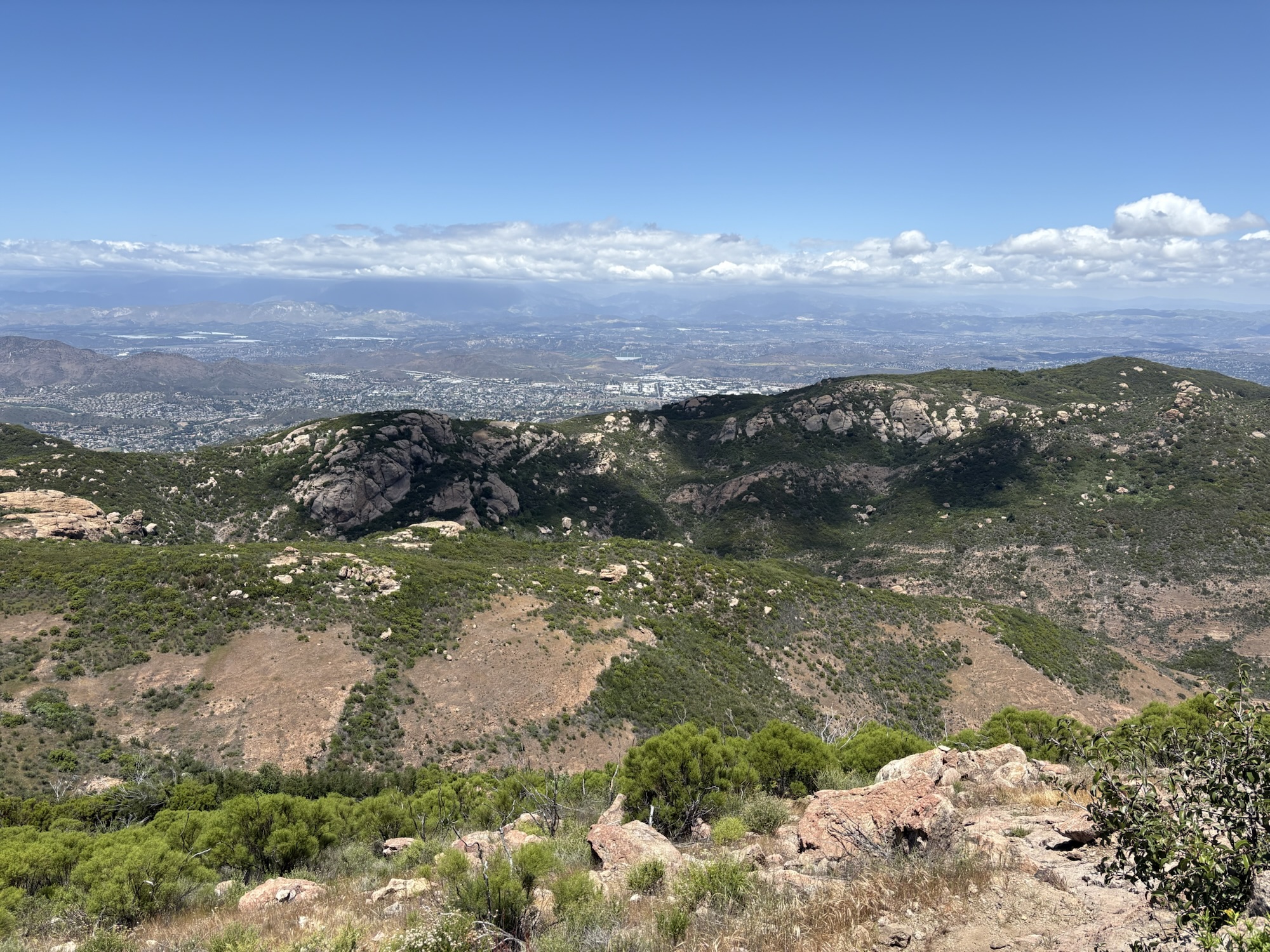
No matter where you are, you have an opportunity to broaden your knowledge on the native plant community you are surrounded by.
Our impact on the native eco-system is greater than we choose to admit. It should not take much convincing to understand the truth:
Native plants did not storm in to alter your world, human species are the force of the most unforgiving change.
They may recover (or not), but certainly not in our lifetime and not without our help.

Make a conscious decision to coexist, have courage to explore and become a positive change to your environment.
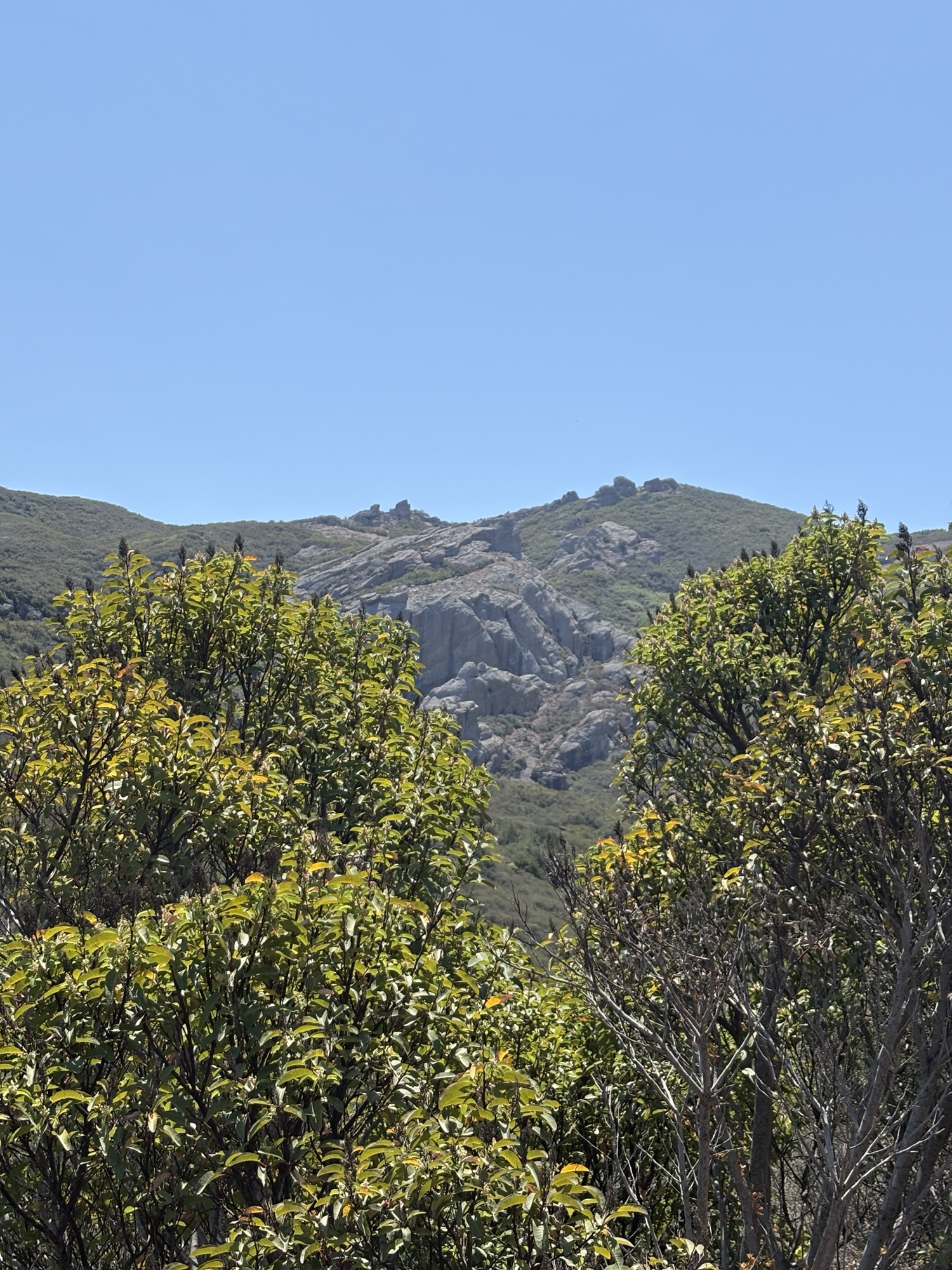
The information about the mentioned plants was gathered from personal experience and other resources. To Learn more about California Native Plant communities refer to laspilitas.com, californiachaparral.org and Calscape.org. These are the most useful online resources available.
California Native Plants to grow in your yard and admire in the wild:
White Sage (Salvia Apiana)

Very gentle endangered Sage. The leaves are soft to the touch and are light bluish grey color. I had success propagating it from a cutting. Sages are hard to propagate from cuttings. They do not appreciate water saturated soil (which is key to propagating anything from cuttings).
White Sage is fragrant, with silver-white leaves, and clusters of white f lowers with lavender streaks. Young leaves start off green and turn white as they get older.
White Sage is a valuable pollinator plant in the garden. The small white flowers are a favorite of carpenter bees, bumble bees, and hummingbirds. In Latin, “Apiana” means of or belonging to bees.
Most of APIANA sold in the upscale trendy places was ripped out of the wild; whole hillsides stuffed into an old van and driven to San Francisco or Seattle or even New York so people can experience something. Well, the hillsides of southern California do not need the experience; go burn old socks or something to experience what the hillsides are experiencing. If you do buy one of these burn sticks, may your soul go with the smoke. Curse on you. (Especially the lady that called up protesting the curse.) (laspilitas.com)
California Black Sage (Salvia Mellifera)

Fast growing, aromatic sage. It attracts a tremendous amount of Bumble Bees, which is a fun show to witness. Gophers do not seem to touch it. I propagated it from a cutting. Propagating sages from cuttings can be challenging. Some sages tolerate moisture well, some don’t. It is important to have zero compost or wood chips in the soil for propagation via the cuttings. Moist sand is a good alternative. It is an important food source for bees, butterflies, and hummingbirds. The flowers are small and pale blue-lavender in color. After blooming, black sage seeds provide food for birds, including quail and towhees. From my experience, it tolerates summer watering
Salvia mellifera is native on gravel-sand to adobe clay in full sun to part-shade. Its limitation seems to be rainfall. It needs about 15″ of rainfall. It gets between 12-40″ in its range, with the lower number being compensated for with fog drip.
Purple Sage (Salvia Leucophylla)

The first time I saw purple sage in full bloom was at Wildwood Regional Park above Thousand Oaks. Its a stunning light grey to off white foliage against gentle lavender color flower attracted bees. Looks fantastic on a slope.
Purple sage grows in full sun and is amazingly drought-tolerant but can take light water up to twice per month in the summer, which will keep it looking a little greener. Though it prefers well-draining soil, it is tough and easy to grow.
Some of it companion plants are Encelia californica, Rhus integrifolia, Eriogonum cinereum, and Artemisia californica.
The highly aromatic flowers attract a variety of birds and insects, with several butterflies and moths hosted.
Chaparral Currant (Ribes Malvaceum)

It is endemic to California. Native to slopes in the coastal ranges. Communities for Ribes malvaceum: Chaparral, Closed-cone Pine Forest, Mixed-evergreen Forest and Central Oak Woodland. Pink Chaparral Currant likes sun in coast and cool climates to part shade inland with good drainage. Companion plants range from Coast Live Oak, Madrone, Arctostaphylos glauca. It has fragrant flowers and the leaves can be used for teas. Supports Bees, Birds, Hummingbirds, Butterflies, Bats, Caterpillars.
Thickleaf Yerba Santa (Eriodictyon Crassifolium)
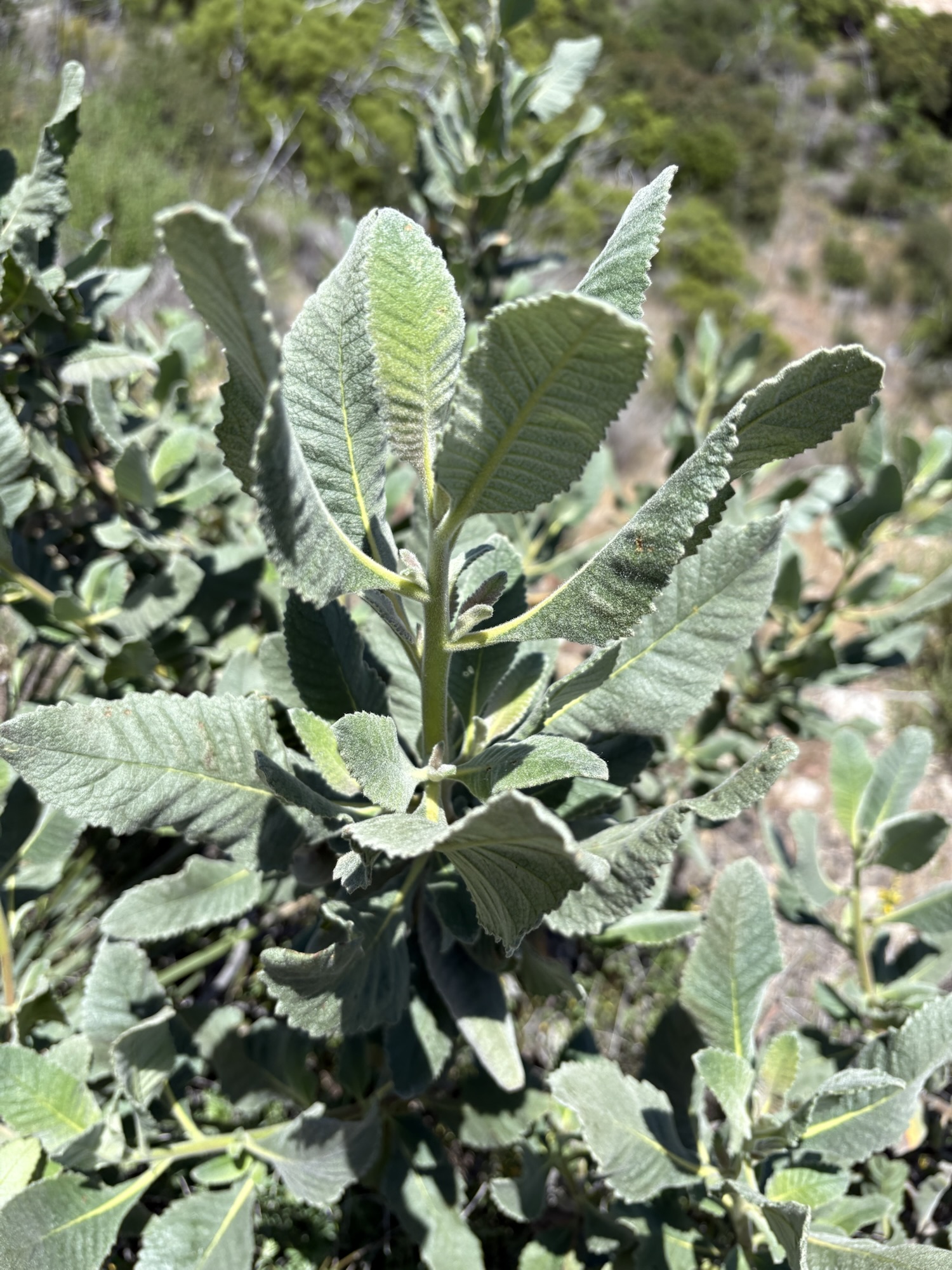
Endemic to California. Pleasant Fragrance. Thick leaved Yerba Santa is a fuzzy grey perennial that can grow to 5′. Butterfly Magnet. Sun, good drainage, doesn’t need water after first year if your rainfall is greater than 14″. Communities for Eriodictyon crassifolium: Chaparral and Pinyon-Juniper Woodland. Supports Caterpillars and Butterflies. I had success propagating Yerba Santa from cutting. The cuttings need to be potted and placed in a sunny location.
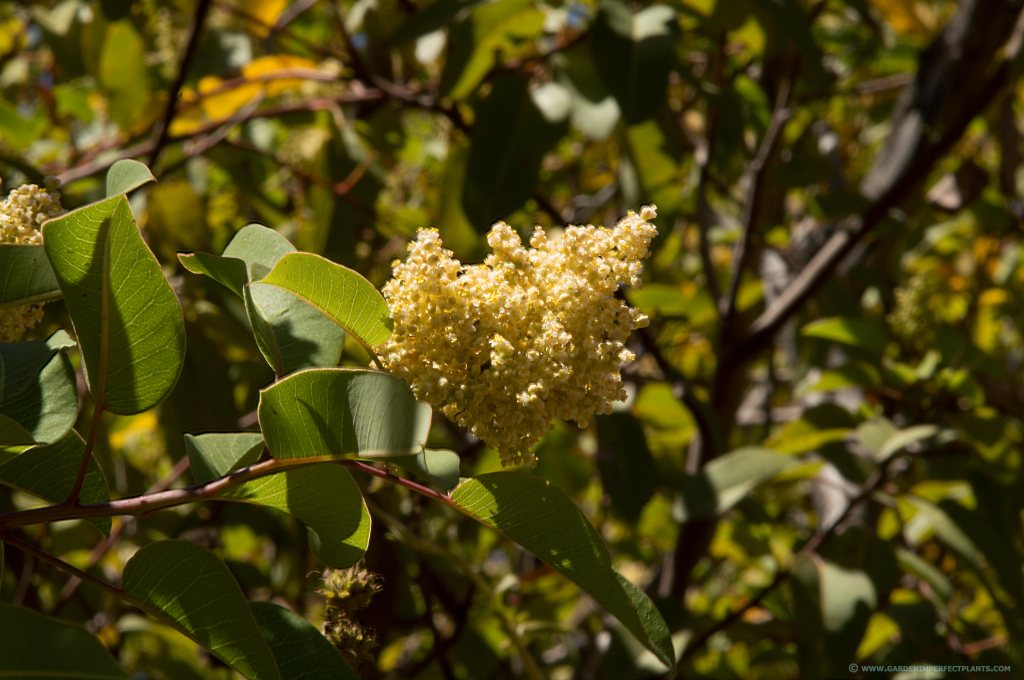
Laurel Sumac (Malosma Laurina)
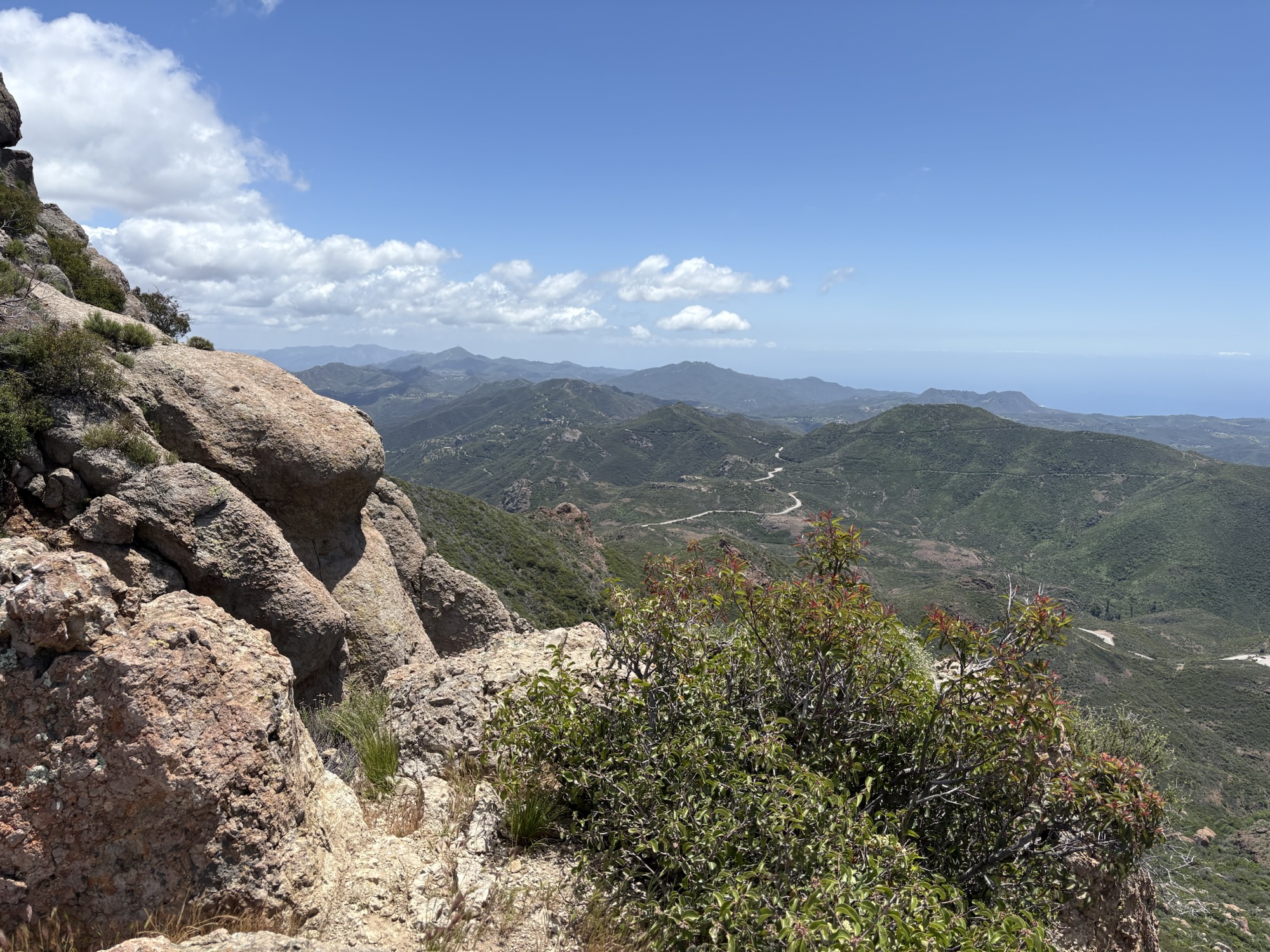
Accompanied by the native sages and buckwheat, Laurel Sumac is the Signature scent of California Chaparral. Laurel Sumac grows along the southern coast ranges below 3000 foot. It can reach a height of 18 feet making it an excellent choice for a privacy hedge. Communities for Malosma Laurina: Chaparral and Coastal Sage Scrub. It is a key plant in coastal sage scrub and the chaparral, and the berries are appreciated by songbirds, especially warblers. Leaves have distinct fragrance that fills up the immediate area. In bloom, it is intensely aromatic. Laurel sumac grows in full sun and is very drought adapted once established, but is not cold tolerant and is not found in areas where freezing temperatures are normal. It is adaptable to many types of soil but prefers well drained soil, either sandy or rocky. Excellent for Bank stabilization (erosion control) and hedge. I adore this plant.
KNOW YOUR FIRE
Fire planting of natives You need to occasionally (irrigate), trim dead leaves, kill the weeds that don’t belong in the native eco-system and remove debris, occasionally. (laspilitas.com). Don’t plant on top of each other. Give each plants space, be aware of the plant’s ultimate size at maturity and add two-three feet on top of that. MULCH (choose appropriate mulch for a specific plant community.) at least 3-4 in deep to prevent the invasive weeds (that burn). Your native plants ARE A BARRIER AND A HINDRANCE for the fire embers making their way to your wooden house. If you “clear the shrubs” you effectively clear the pathway to your house and the embers fly directly onto your roof. Extreme winds are impossible to fight. Please, learn that the materials your house is built out of is the most crucial part that will decide its fate, not the shrubs, not the grass either. Fireproof your house. And know that The famous Getty Museum which contains the valuable art collection was never a victim of fire being located in the “extreme fire hazard zone”, and located on top of the hill. Visit that museum and touch the walls made of stone. Let yourself be inspired to learn more about safe-proofing your walls and your roof. “Green roof” is one of many things you can explore. Chaparral doesn’t start the fire, people do. Wildfire is a misconception and another fancy word for “excuse”. Dry grass was never meant to occupy every hill in California. Agoura Hills is a devastating consequence of private owners’ ignorance.
Sugarbush (Rhus Ovata)
Plant Community: Chaparral
Pleasant Fragrance. It is great for Bird Garden and the fruits are edible. You can use as a screen, hedge or specimen. In areas that are fire prone, water once a month in the summer between plants or wash the foliage off with 15 minutes of sprinkling once every week or two and make sure there are NO weeds near the plants. Sugar bush will still burn but only after everything else has. Sugar Bush is tough, easy to grow, and very fast growing once established. A 5-gallon container plant will reach 10 feet in about three years if happy.
It’s my first year trying to propagate Rhus Ovata from a Semi Hardwood cutting. Here is what it looks like so far, I have a feeling it will make it.

You may notice the sugary crystal discharge where the cut was made. All the leaves are dry, but it does not mean the cutting has no roots. You can follow my updates on my youtube channel.
California Sagebrush (Artemisia Californica)
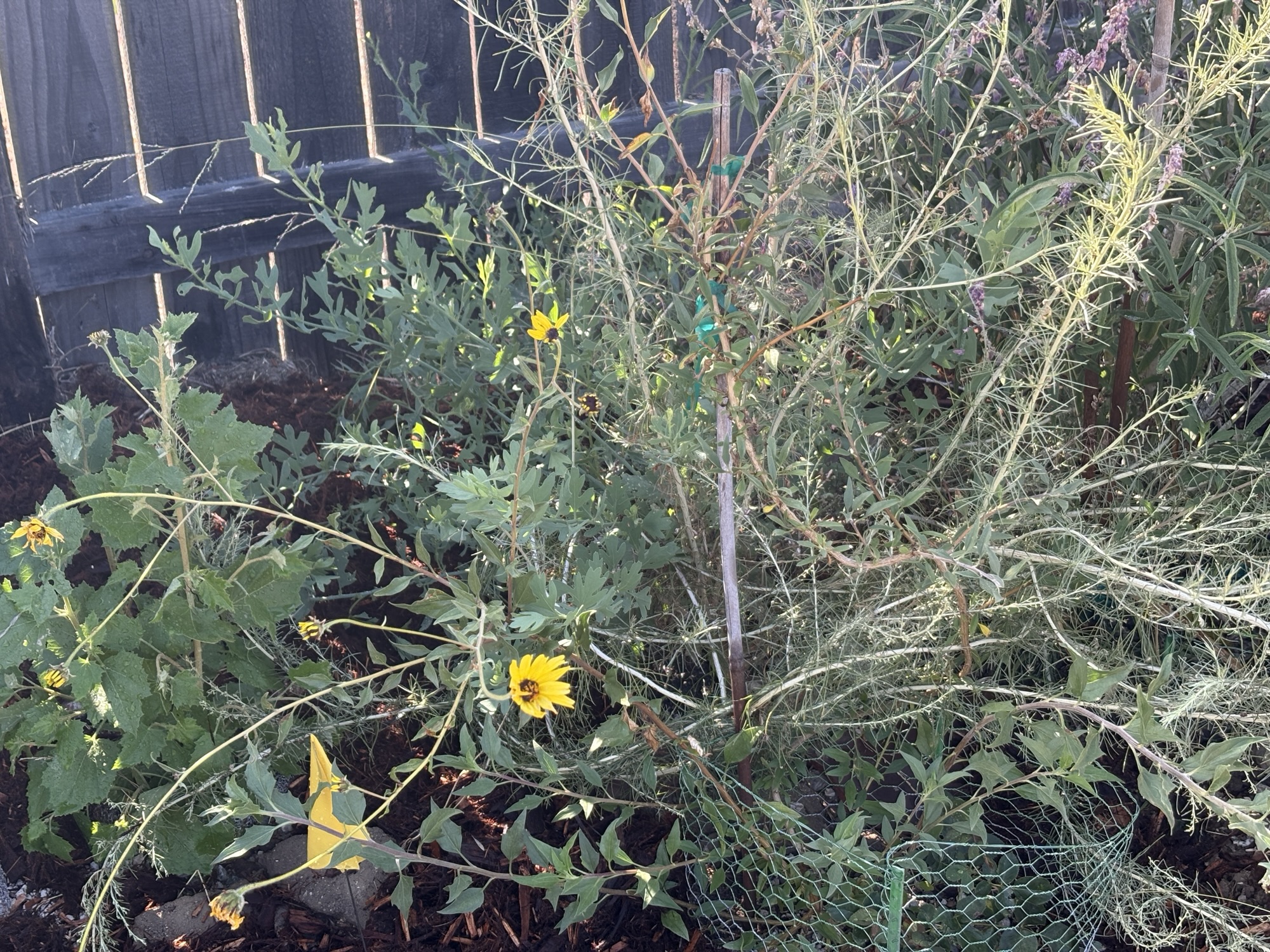
This resilient, easy-to-grow shrub thrives in the toughest environments. It’s a good choice for dry, sunny, and sloped areas. It tolerates nutrient-poor sandy soil, as long as it’s well-draining. A Tea was used for fever. It was also one of the items used for smudging. It is nearly impossible to propagate by cutting.
Great wildlife plant. This important coastal scrub plant supports the California gnatcatcher and quail, as well as other bird and insect species. Good plant for starting back a difficult south facing coastal sage scrub site. It is amazing to find oaks regularly coming up under this plant. (laspilitas.com)
Companion plants (calscape.org) Black Sage (Salvia mellifera), White Sage (Salvia apiana), California Encelia, Chamise (Adenostoma fasciculatum var. fasciculatum), Coyote Brush (Baccharis pilularis ssp. pilularis), California Buckwheat (Eriogonum fasciculatum var. fasciculatum), Sticky Monkeyflower (Mimulus viscidus), Woolly Bluecurls (Trichostema lanatum), Scrub Oaks, Toyon (Heteromeles arbutifolia), Lemonadeberry, Yucca spp., various cactus species.
Chamise (Adenostoma Fasciculatum)
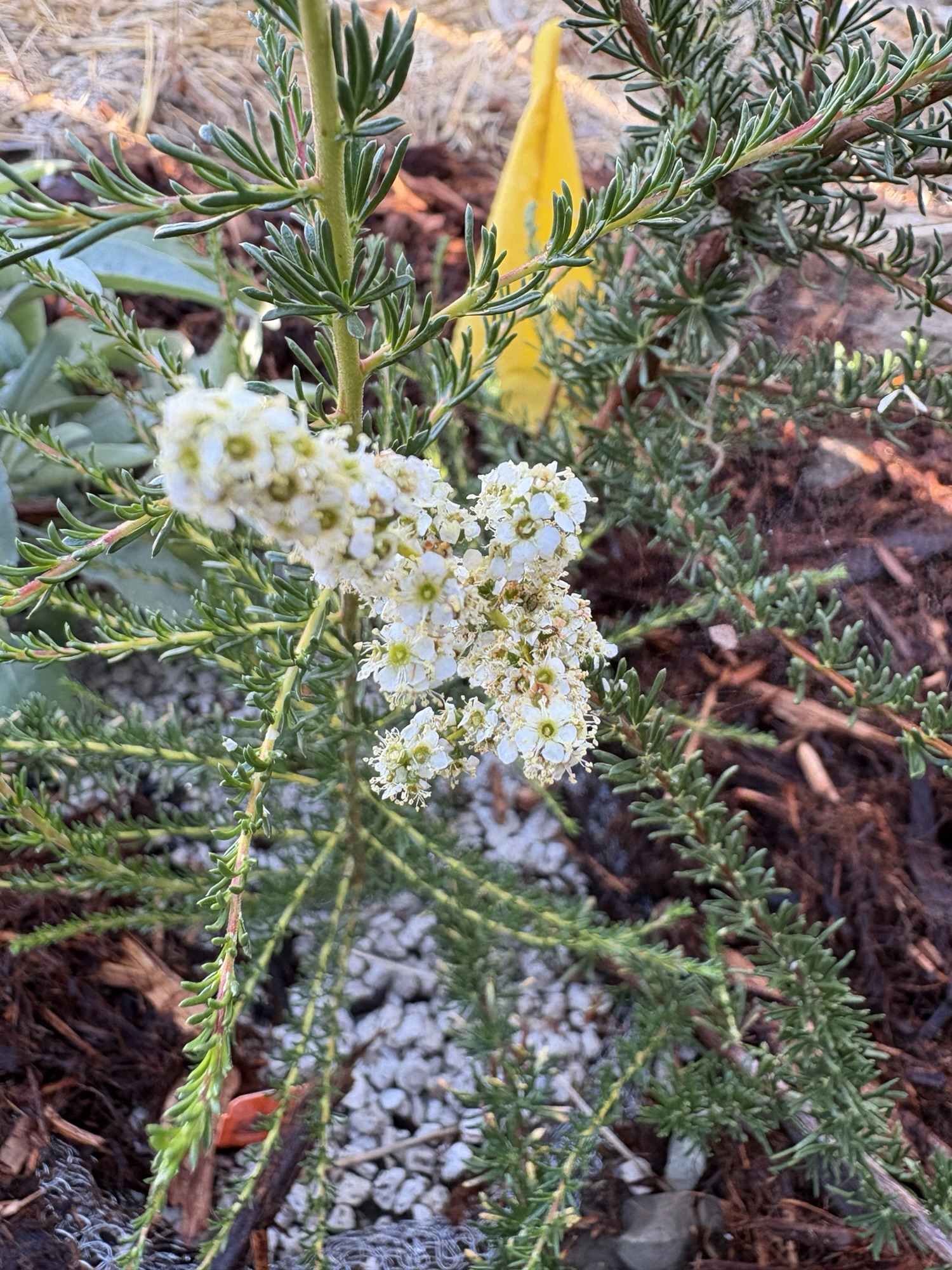

3-10 ft. tall shrub. Native to the coast ranges and Sierra Nevada mountains. Very tough and elegant plant. Used as a screen or as wind break, full sun, good drainage, erosion control, fire sensitive, can be made fairly fire resistant with a once/two week indirect watering. Chamise is one of the best plants for anchoring a slope and resisting erosion, due to its wide-spreading and deeply-penetrating roots. In maturity, it develops a large burl from which it will resprout after fire or severe pruning. (calscape.org). Any chaparral plants make good companions.
Chamise thickets provide important cover, nesting sites, and resting areas for various birds and small mammals. The dense stands offer protection and concealment for wildlife.
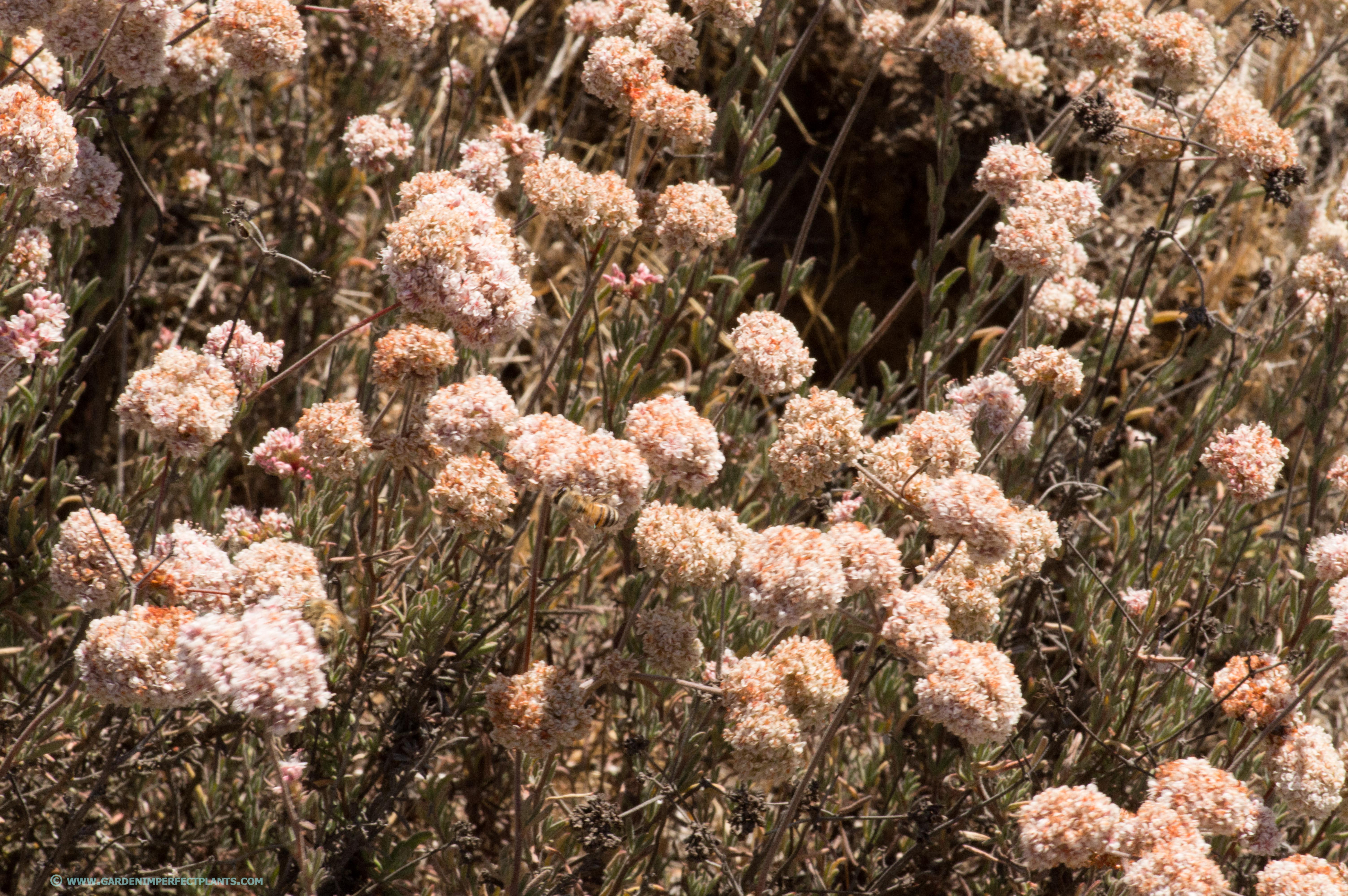
California Buckwheat (Eriogonum Fasciculatum)
Eriogonum fasciculatum var. foliolosum, California Buckwheat, has flowers, leaves and seeds that are all used by butterflies and small birds.
California buckwheats are tough and easy to grow, even in very dry conditions. They prefer a well draining sunny site. Once established, no water is needed but the plant can tolerate occasional summer water. As the soil dries, it sheds its dried flowers and a significant portion of its small blade-like leaves, creating natural mulch.

California Buckwheat is a keystone species for sagebrush scrub ecosystems, and a great choice for wildlife and butterfly gardens. It is attractive to honey bees and a good source of nectar over many months in drier areas.
Many companions including Brittlebush (Encelia spp.), Sagebrush (Artemisia spp.), Sage (Salvia spp.), Manzanita (Arctostaphylos spp.), Ceanothus species, Yucca species, Dudleya species, and cactus species
California Pearly Everlasting (Gnaphalium Californicum)

The Leaves and flowers of the Pearly Everlasting have pleasant fragrance. A native biennial or short-lived perennial that grows in disturbed places. (laspilitas.com) This species is a pioneer plant that helps to prepare the site, and aids in the establishment of longer-lived plants in the native landscape. The American Painted Lady Butterfly uses this plant as food for its larvae. Observed in disturbed coastal sage scrub. Will grow in shaly, clay soil. Pearly Everlasting is well suited for an informal, cottage style garden.
Syn. Pseudognaphalium californicum.
Gnaphalium californicum tolerates seaside conditions, alkaline soil, salt, sand, clay, serpentine, no drainage, seasonal flooding, high traffic(people walking on it) and deer.
Gnaphalium Californicum is great for a butterfly garden.
Chaparral Mallow (Malacothamnus Fasciculatus)

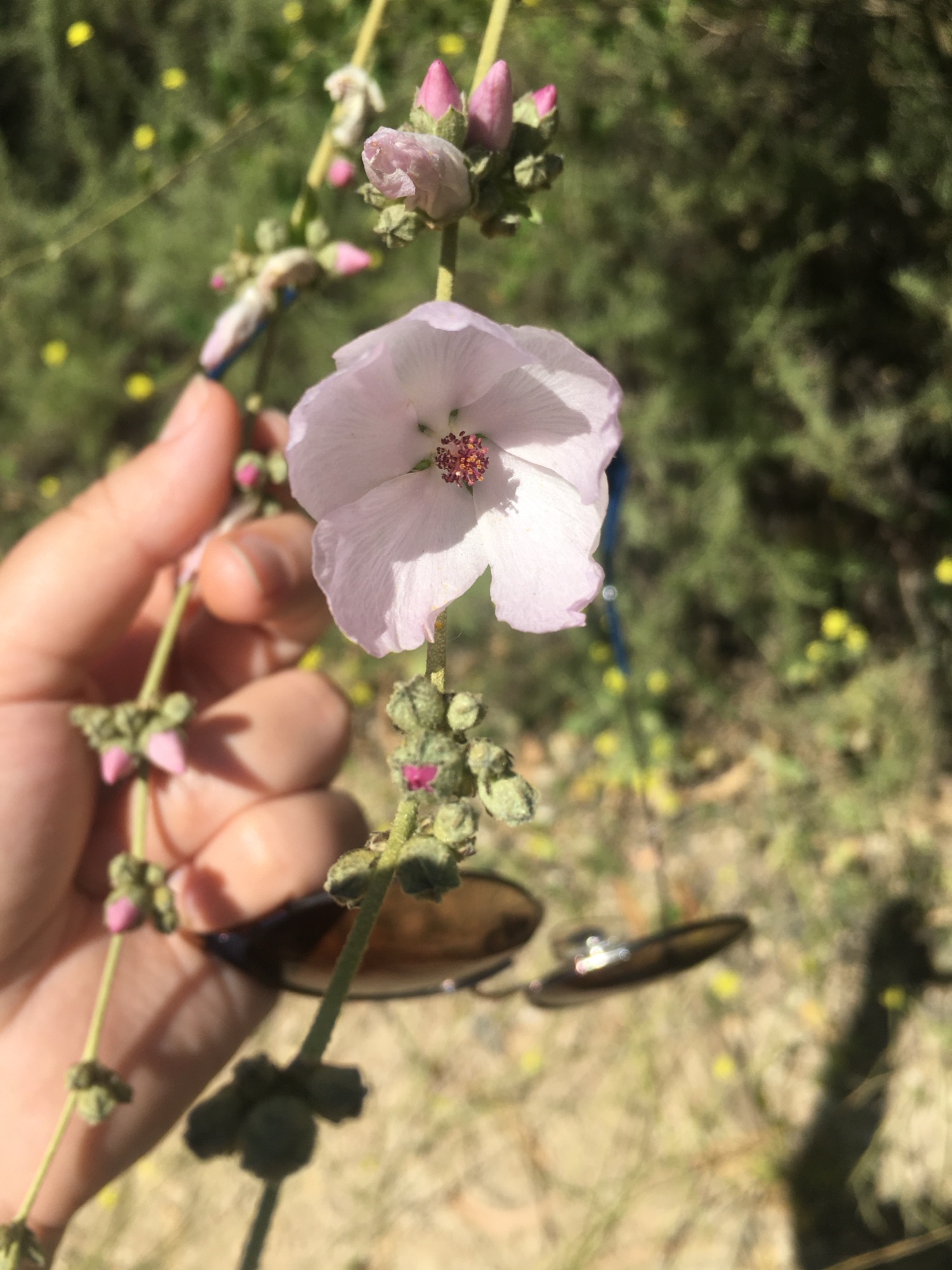
Pleasantly fragrant flowers on this shrub attract hummingbirds and butterflies. I tried propagating it from a cutting and it rooted well (took some time and drops all the remaining leaves). The roots were damaged slightly (during transplanting to a larger pot) and it was enough to kill the plant. Plant in the ground for best results. The plant on the picture above was propagated from seed. Once planted in ground, exhibits fast growth. Excellent plant for Hedge or fence.
In full bloom, one plant can have thousands of flowers. It is attractive to butterflies, hummingbirds, and other small birds.
Creosote Bush (Larrea Tridentata)
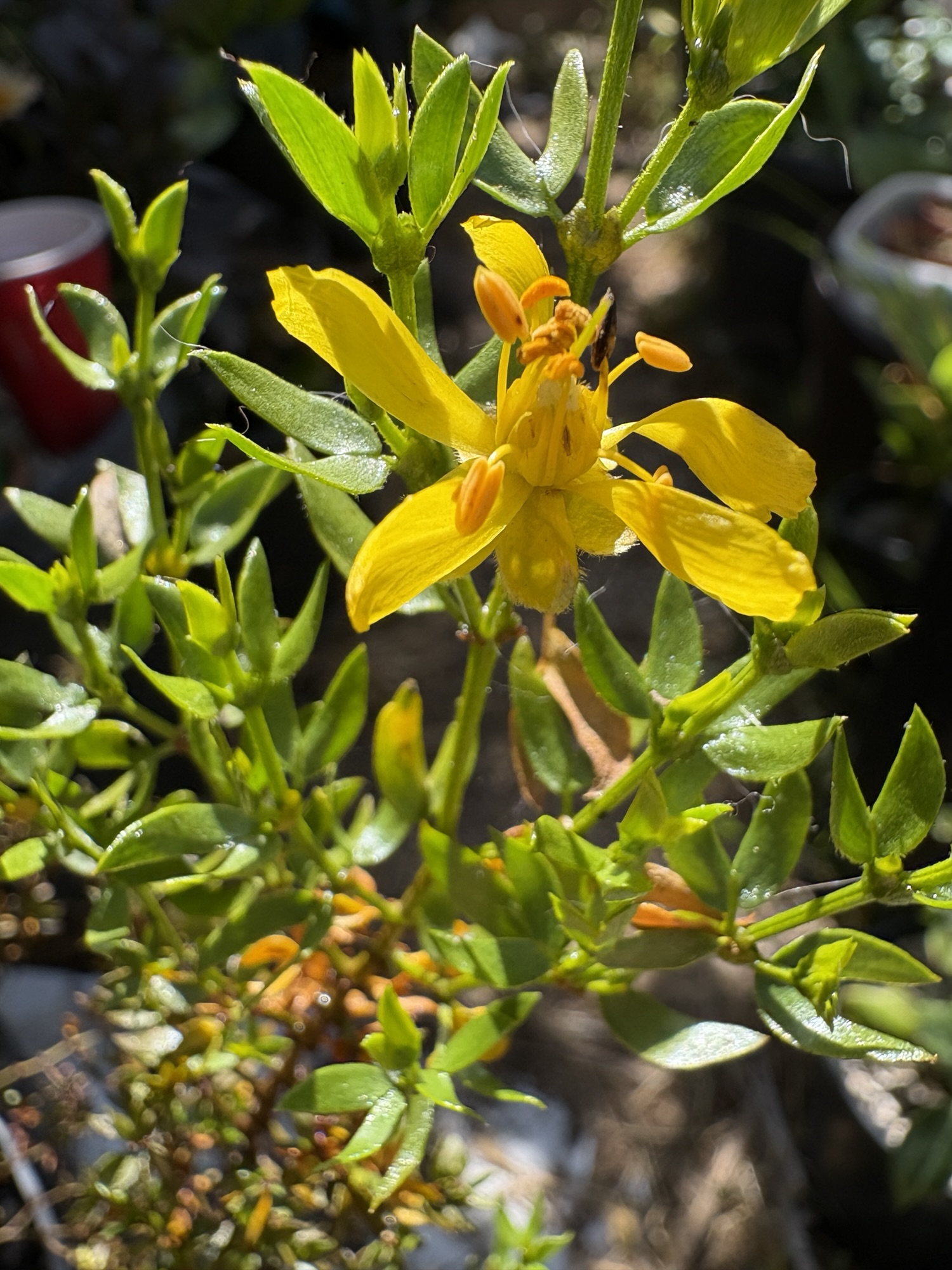
Creosote bush is a shrub of the deserts. It is one of my favorite desert native and supports the wildlife, especially birds. It makes a statement if you want to recreate a desert landscape in your yard. Be very aware it outcompetes other plants if they are not drought tolerant. You have to be incredibly mindful not to put it near the water loving plants. Cacti are the best for companion plant for Creosote Bush.
Creosote Bush has a delightful fragrance that fills the air with a lemony pine scent after a summer rain. If you love the desert, this one plant will keep it in your thoughts for a long as you live.
Creosote inhibits competition by forming water-repellent soils (see Cercidium floridum). Numerous insects are attracted to the flowers. Various birds are attracted to the seeds. This plant takes full sun and is extraordinarily tolerant of drought.
California Lilacs (Ceanothus Species)

California Lilacs, or Ceanothus, are some of our most fragrant and colorful shrubs here in California. They are also evergreen and very drought tolerant.
The myth of Ceanothus being short-lived is primarily spread by incompetent gardeners that insist on drip irrigation, summer water and soil amendments. Drought tolerant California native plants hate all three (except irrigation the first summer).
All ceanothus are attractive to deer, birds and pollinators. Deer eat the flowers and leaves; birds eat the small, black fruits; bees, butterflies, and moths feed from the flowers. Once mature, its branches also create a safe haven for birds and small wildlife. By Avoiding watering and fertilizing you will avoid most problems with Lilacs including deer grazing. I grow Ceanothus Dark Star, with pleasantly fragrant dark navy blue flowers in zone 9b and it makes a wonderful hedge or stand alone bush.

White Bark California Lilac and Chaparral white-thorn
White bark California Lilac is an evergreen shrub to eight feet tall and six to ten feet wide. With the white bark and azure blue flowers, the bush makes quite a show in spring. This Ceanothus is native to dry rocky chaparral slopes in the coast ranges and the Sierra Nevada. Its extensive root system is excellent for soil stabilization.
Lemonade Berry (Rhus Integrifolia)
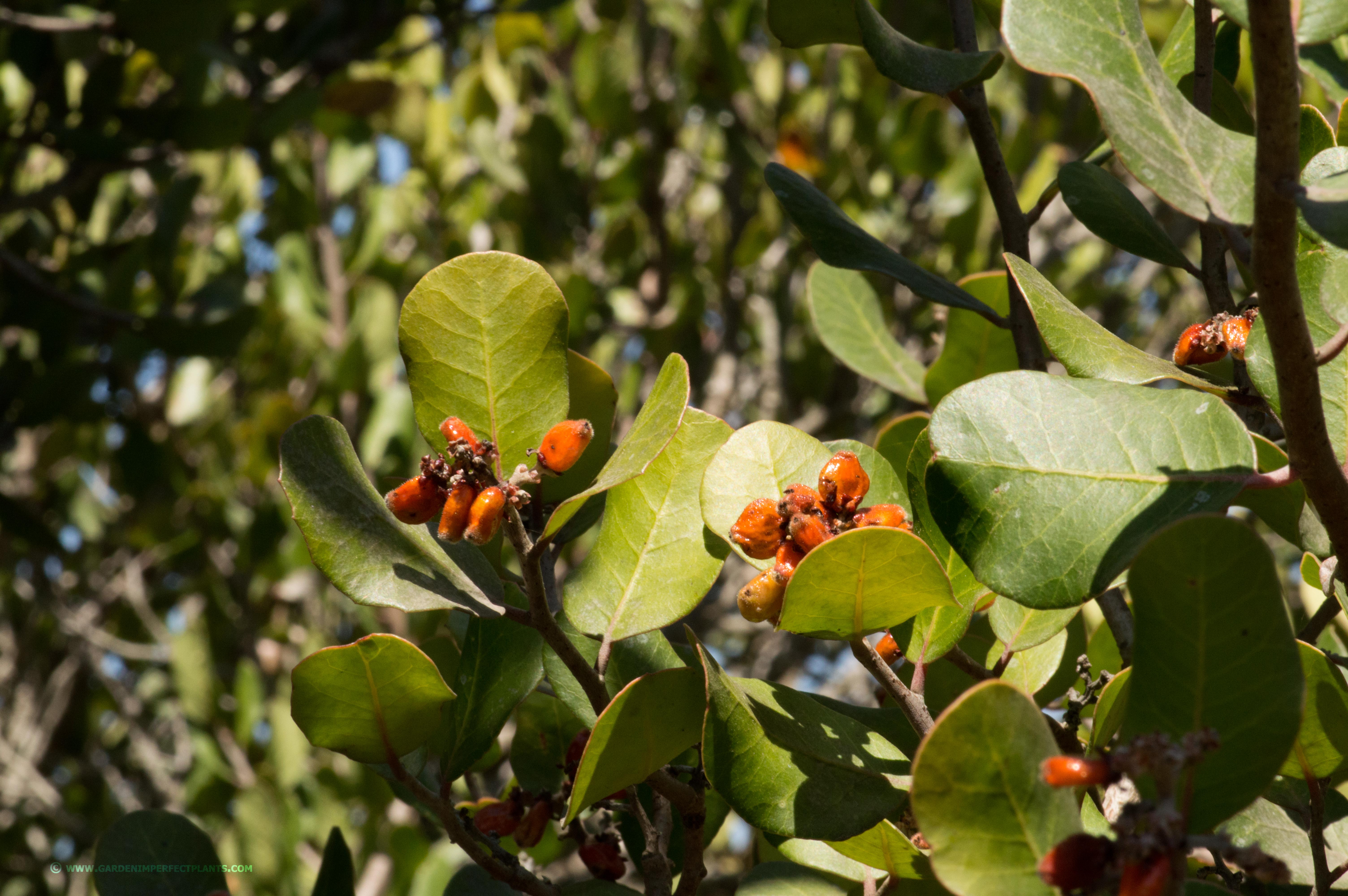
The berries can be used for lemonade. It is good for erosion control, particularly on coastal bluffs. In areas that are fire prone, water once a month in the summer between plants to make fairly fire proof . They will still burn but only after everything else has.
Sticky Monkey Flower (Diplacus Aurantiacus)
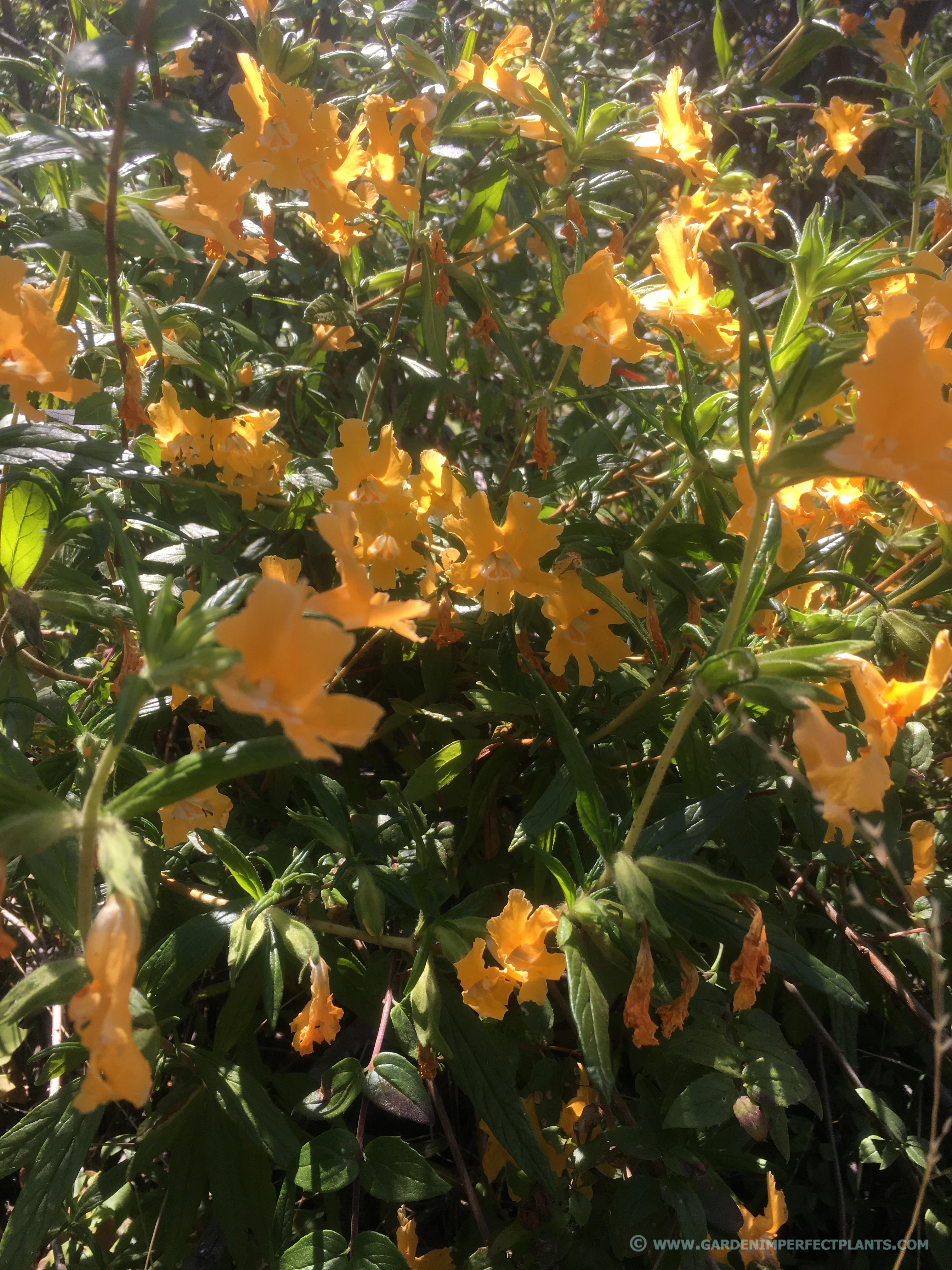
Monkeyflower is a Hummingbird plant and has been deer proof in all areas to date. Monkeyflower goes dormant in summer if you have a hot dry climate. It will grow in any soil including serpentine as long as it has drainage and is not overwatered.
Wildlife supported: hummingbirds, bees, birds, butterflies, caterpillars, bats.
Matilija Poppy (Romneya Coulteri)
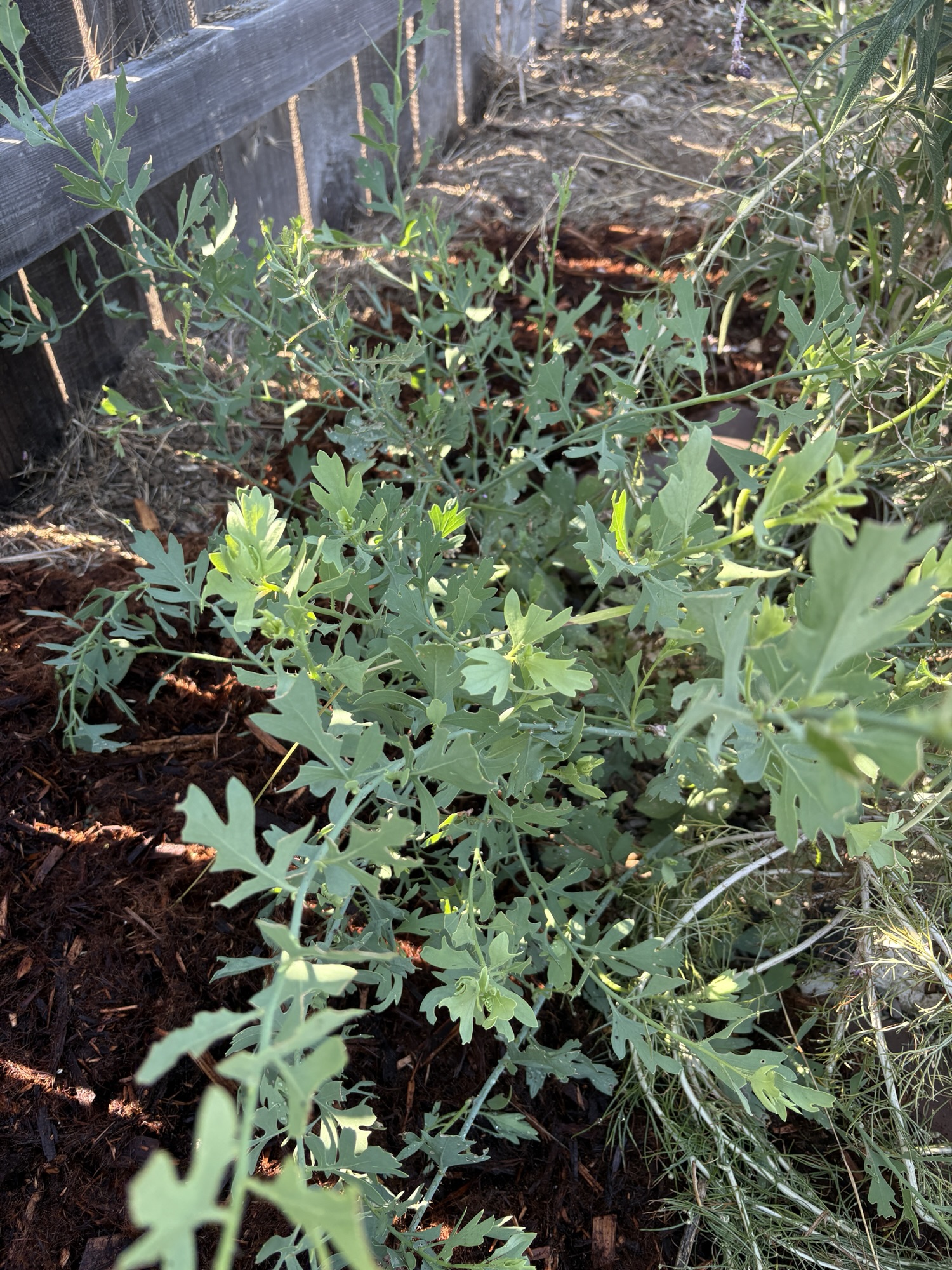
Matilija does best in sandy soil. It spreads via the rhizomes and needs to be controlled if you don’t want it to take over your yard. People with gophers have nature on their side, …SOMETIMES.
Matilija Poppy, Romneya coulteri, is a perennial/shrub to eight feet tall and if in a light soil forever wide(It spreads by rhizomes). The large paper-mache flowers are white with a yellow center.
Matilija poppies commonly go deciduous in summer or fall and come back in spring. If you buy one in it’s deciduous stage, it will look dead to an average gardener in Seattle. Nope, it’s just deadest stickus, normal mode for fall.
Communities for Romneya coulteri: Chaparral and Coastal Sage Scrub. Its flowers, which can be as large as 7 inches across, are attractive to bees and butterflies.
Grows well with a wide variety of chaparral plants including Scrub Oaks, Manzanitas, Coyote Brush (Baccharis pilularis ssp. pilularis), Laurel Sumac (Malosma laurina), Chaparral Mallow (Malacothamnus fasciculatus), Toyon (Heteromeles arbutifolia), and Lemonade Berry
Manzanita (Arctostaphylos Species)
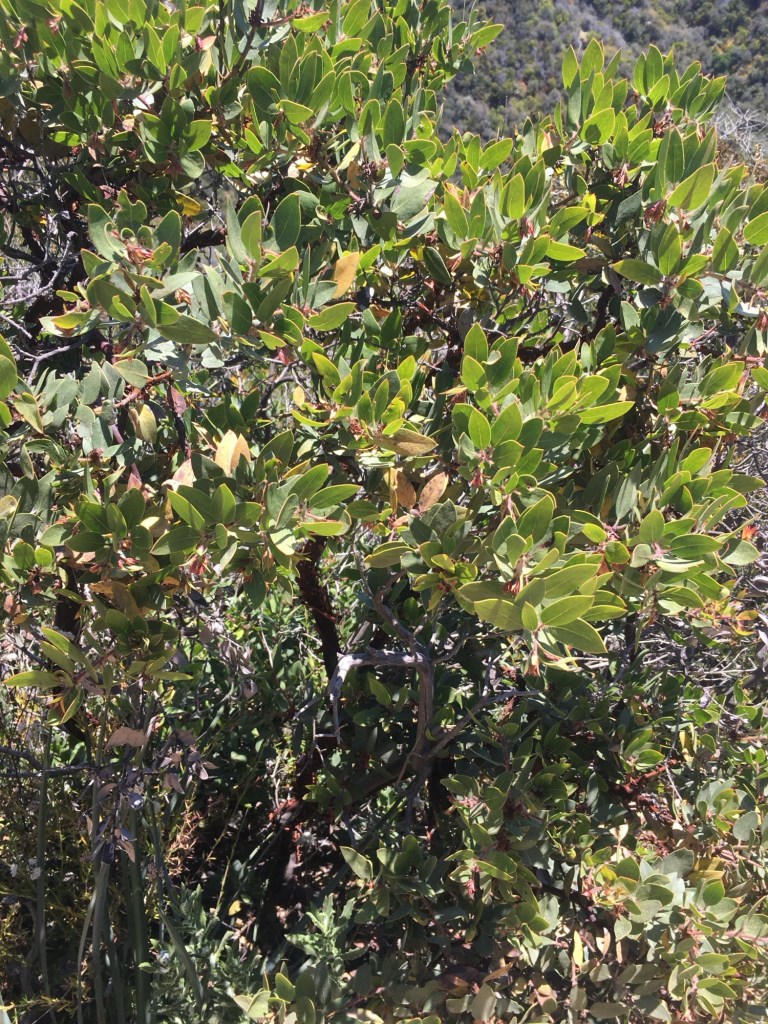
Manzanitas are very diverse and live in most plant communities, including the desert. Mostly found among pinyon pines and scrub oaks in the desert.
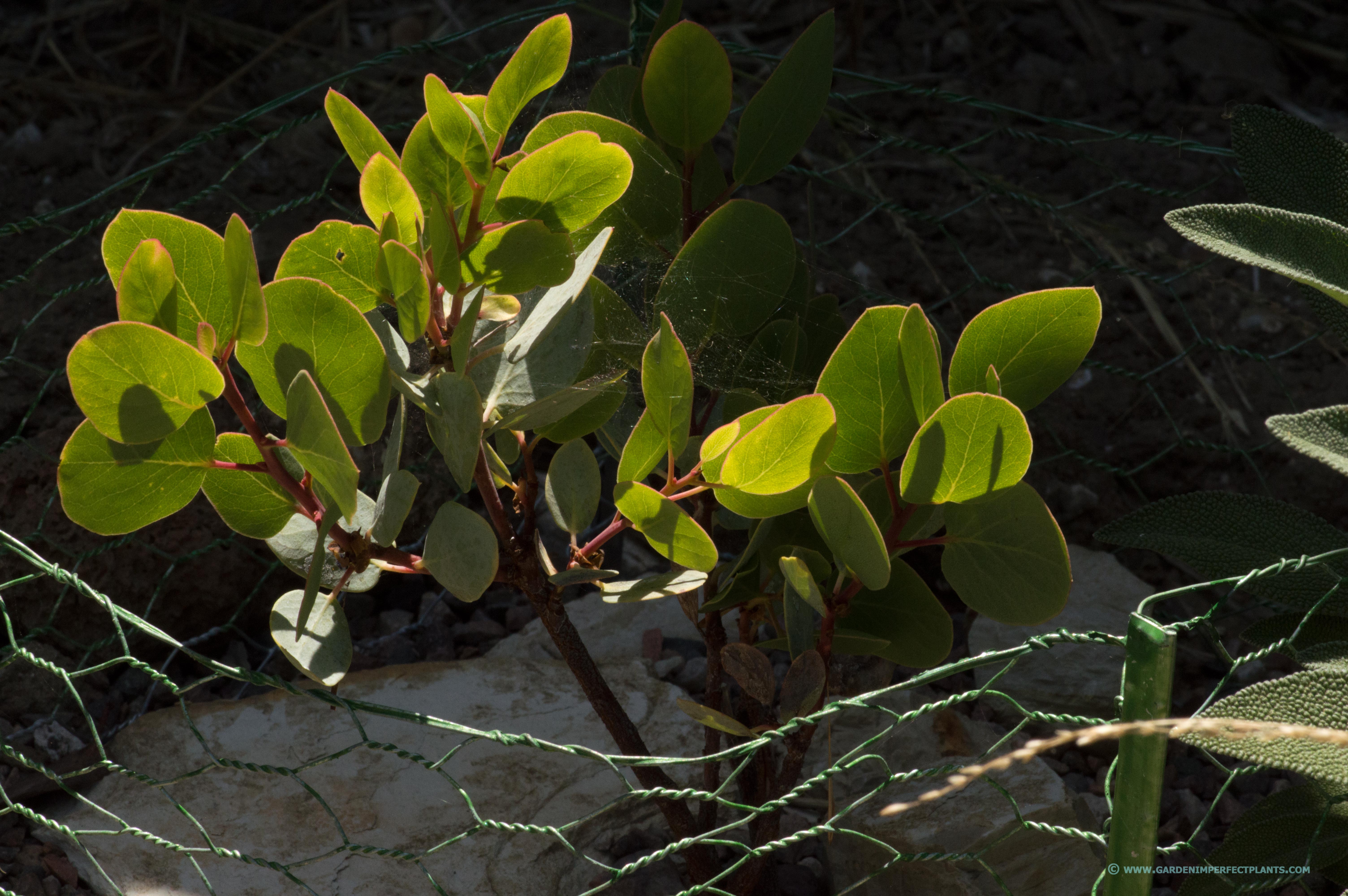
There are many species of Manzanitas native to California and they are extremely important plants for wildlife. Hummingbirds, Butterflies, many pollinators and predators need the flowers for survival.
Manzanitas make good groundcovers (1-2ft) and are excellent for slopes. Plant them as hedges or stand alone trees (Big Berry Manzanita). Drip irrigation and soil amendments will kill it. It needs ZERO compost and zero fertilizer. The best you can do is plant in your native soil and do not water your trees in the summer. Thank me later. This native plant is a NATIVE, so you have to allow your natural environment dictate how much water it gets during the season.
Encelia Californica (Coast Sunflower)

One of my favorite flowering shrubs. Has a pleasant honey with earthy notes scent to it. Bees magnet. Native from Santa Maria to San Diego. Very drought tolerant. Somewhat tricky to propagate by cutting, but can be done if you know what you are doing. Communities for Encelia californica: Chaparral, Coastal Sage Scrub and Coastal Strand. After blooming, the seeds provide food for small, seed-eating birds. Useful as groundcover and on slopes.
Flannel Bush (Fremontodendron ‘California Glory’)

One of the most beautiful large native shrubs. It attracts various pollinators, especially bees.
Flannel bushes like lighter soils with moisture nearby, but not next them. Their favorite spots are sandy washes with moisture down 8 ft or so below grade level. In heavy soils any extra rainfall or one summer watering will kill the bush after 3 years.
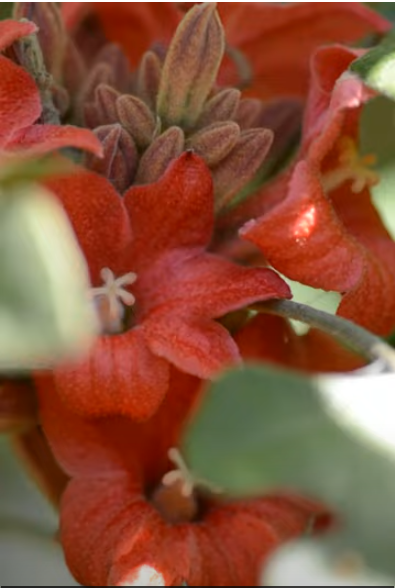
I collected the seeds years ago, and when this mature plant (grown from seeds) flowered (y.2023), it had Red Color Flowers (pic below). This red flower hybrid is a stunning, but a very capricious plant. I planted them out in Lompoc, CA, zone 9b in sandy clay. It does not appreciate being watered, lost all the leaves and just started budding out in August.
Chalk Dudleya (Dudleya pulverulenta)
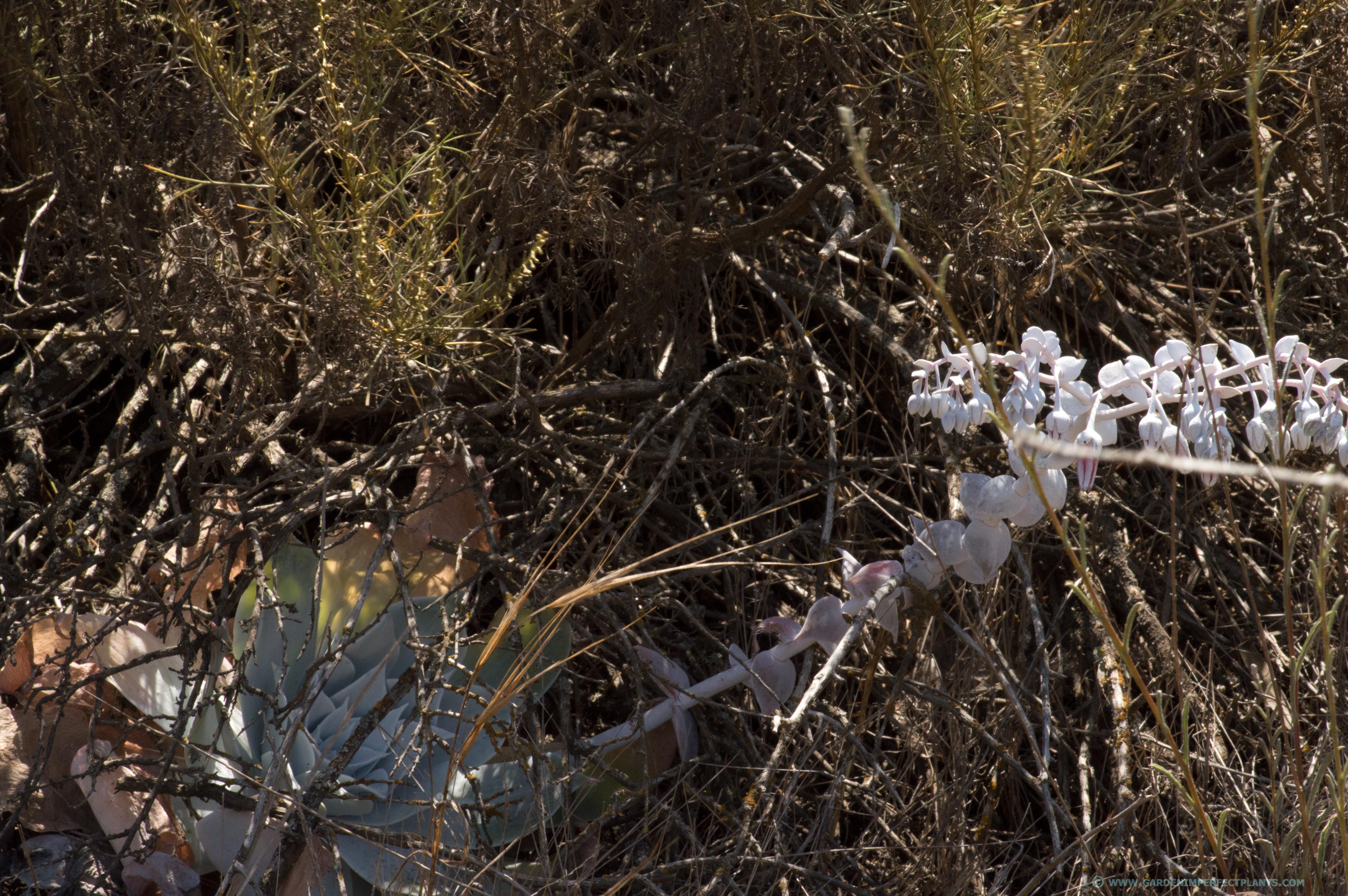
This plant is pure magic. It reacts to the immediate surroundings. I placed it next to another potted plant and it did not appreciate to be touching plastic and moved its leaves (on the side that was touching) away from the pot to avoid that stress. Reacts to water by closing up its rosette when it had enough.
Dudleyas can grow pretty much anywhere as long as they have water, half-day to full day light, some boulders or rocks amongst which to grow, a slope for drainage, or shallow soils on the coast, and any soil, except pure sand, unless the sand has a tad of clay in it. Plant rosette at angle so water will drain off the crown
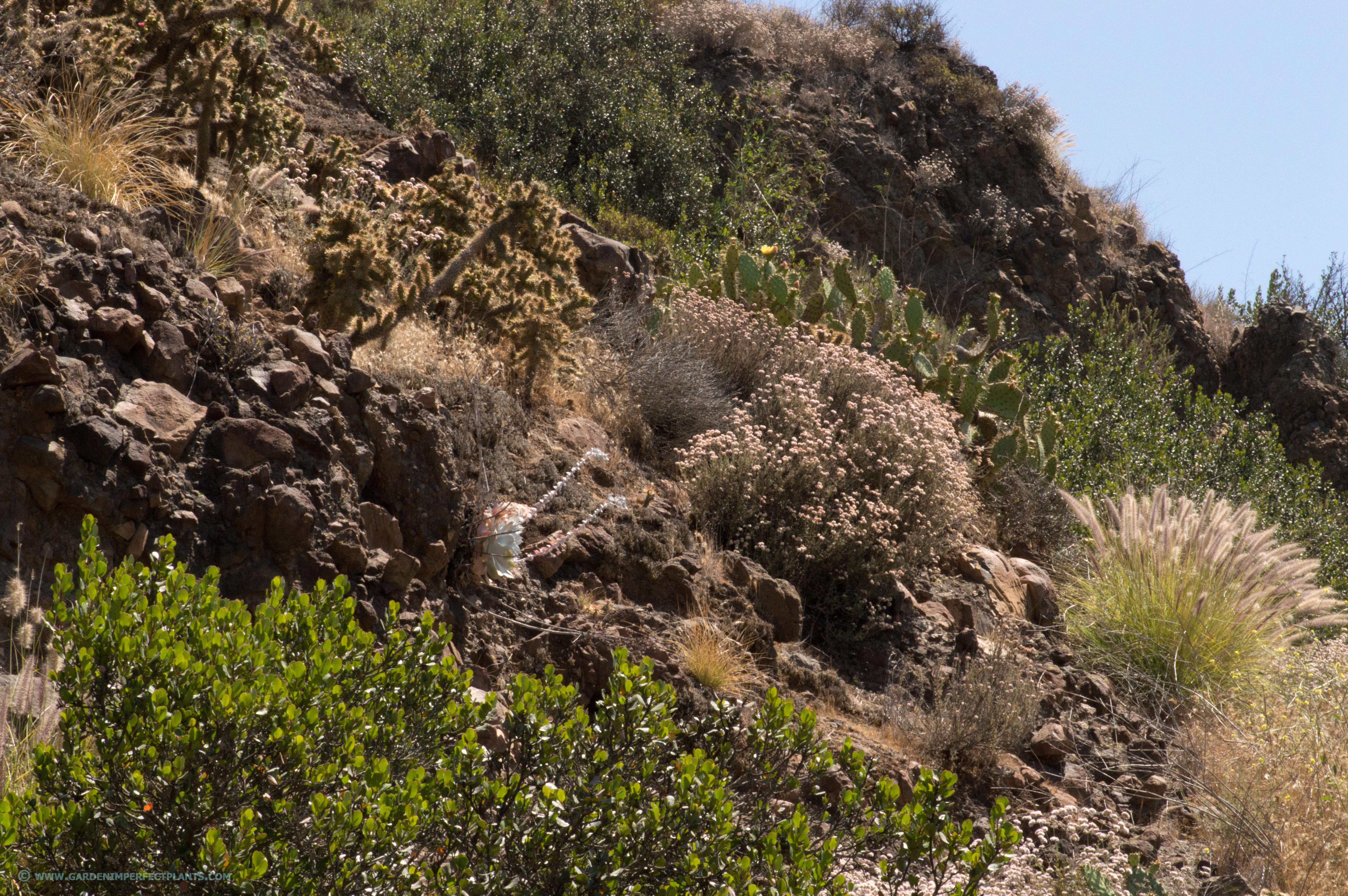
Chalk Liveforever is a succulent with a one to two foot basal rosette from which a 1 1/2 ft. spike of red flowers appears in May through July. Native from about northern San Luis Obispo county south along the coast. I encountered in the Santa Monica Mountains at higher elevations and in the Valley.
Wildlife supported: Hummingbirds, Birds, Caterpillars, Butterflies
the Art of Coexisting
Discover more from Garden Imperfect Plants
Subscribe to get the latest posts sent to your email.
 Garden Imperfect Plants
You must be logged in to post a comment.