
After Everything Else is Gone
Fire planting of natives You need to occasionally (irrigate), trim dead leaves, kill the weeds (grass and mustards) that don’t belong in the native eco-system and remove debris, occasionally. (laspilitas.com). Don’t plant on top of each other. Give each plants space, be aware of the plant’s ultimate size at maturity and add two-three feet on top of that. MULCH (choose appropriate mulch for a specific plant community.) at least 3-4 in deep to prevent the invasive weeds. Your native plants ARE An effective BARRIER in the way of embers traveling to a dry plywood dwelling. If you “clear the shrubs” ( like suggested by many) you effectively clear the pathway to your house and the embers fly directly onto the roof. Extreme winds are impossible to fight. Please, learn that the materials a structure is build of will decide its fate, not the shrubs and not the grass either. Fireproof your house, learn about the building materials. The famous Getty Museum which contains one of most valuable art collection was never a victim of fire. It is being located in the “extreme fire hazard zone”, and situated on top of a hill. I suggest you visit the museum and touch the walls. Let yourself be inspired to learn more about fire-proofing your walls and the roof. “Green roof” is one of many things you can explore. Chaparral doesn’t start the fire, people do. The word ‘ Wild Fire’ is a misconception and a poor explanation of what actually occurs in nature. None of this is natural to the wildlands, where the fires (caused by rare lightning) would occur locally once every 30-40 years. Dry grass seed was spread over the hills back in the 70s (ask why) . It was never meant to occupy every hill in California, and is not a part of our native eco system. Agoura Hills is a devastating consequence of the land owners’ disregard for the native environment they are a part of. Be the change…
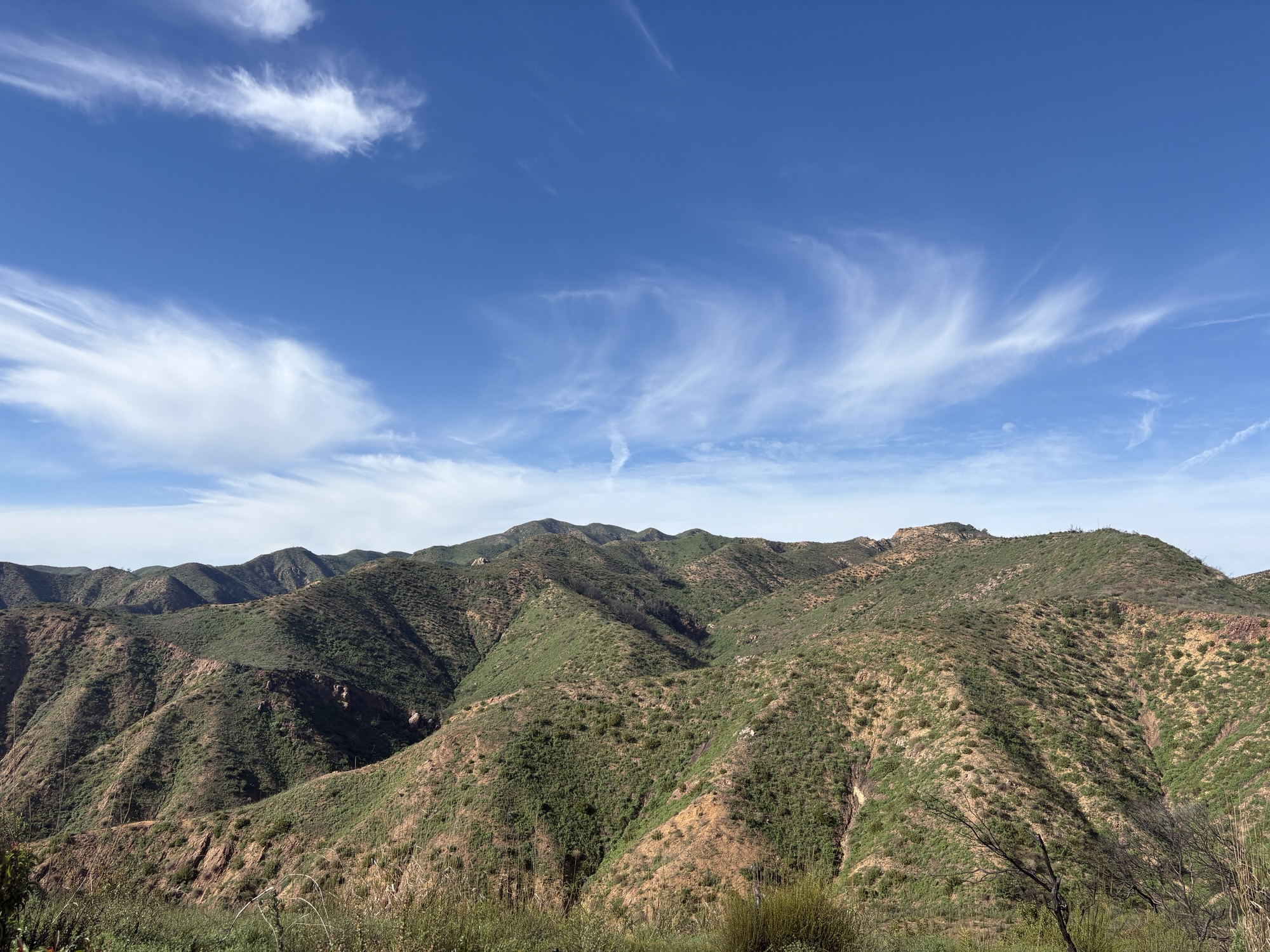
Recently I visited the site largely effected by the the recent Palisades fires. I took the pictures of the native plants which either survived or are successfully growing back. Will Rogers State Park is located within the Santa Monica Mountain Range and is home to a diverse eco-system.
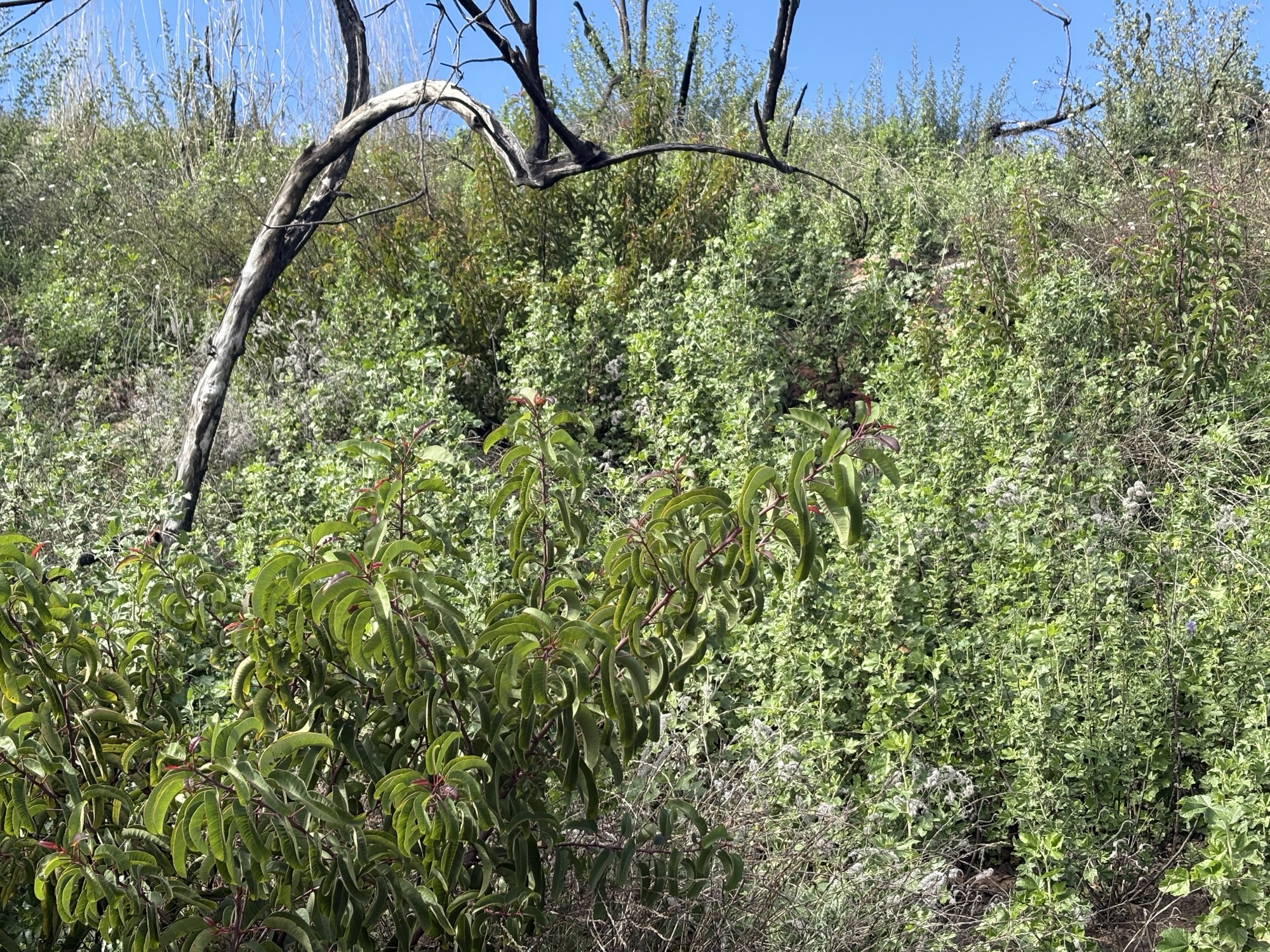
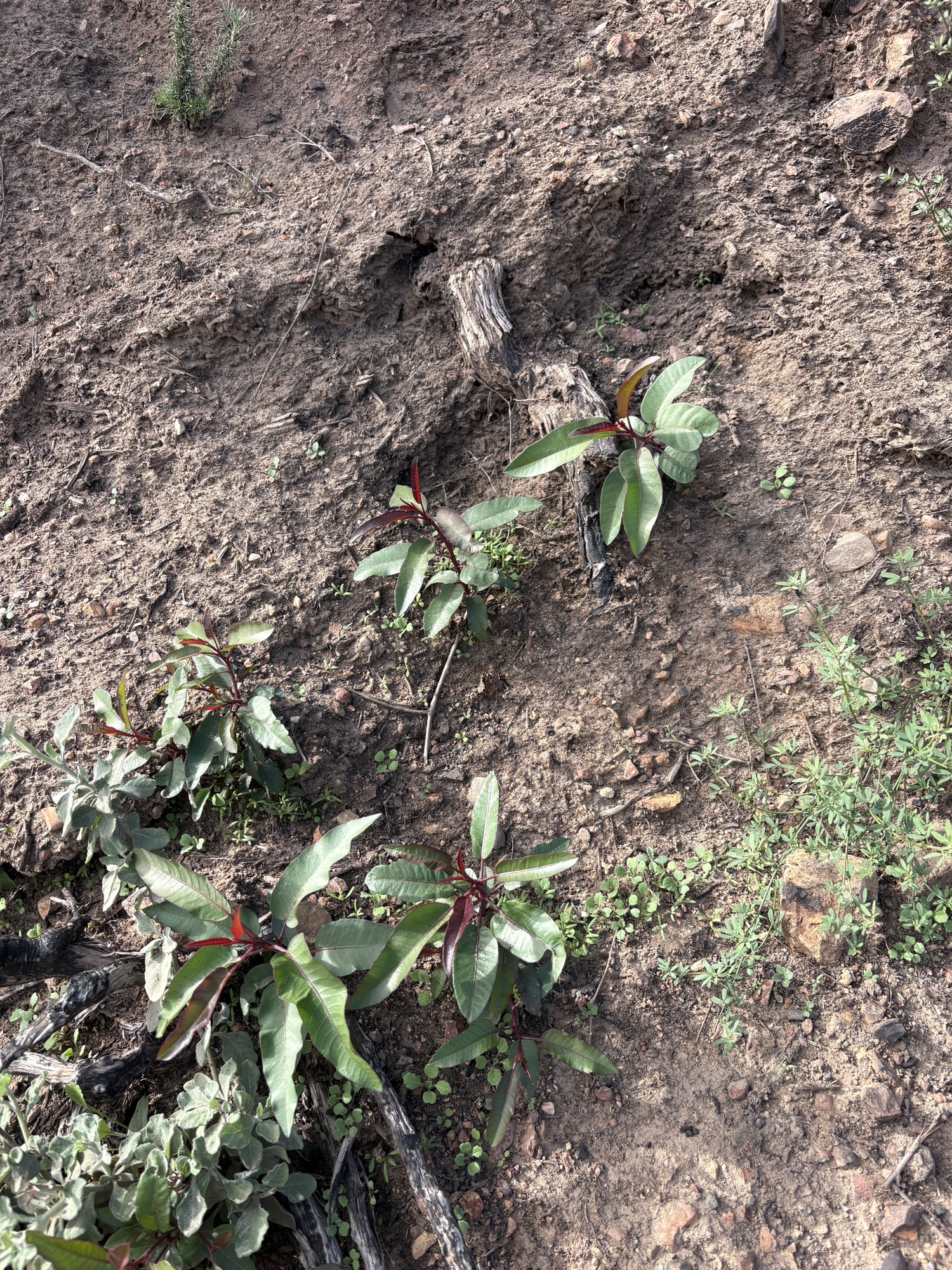
Laurel Sumac
Aromatic Laurel Sumac is one of the best shrubs for a privacy screen or wind break. It supports an array of wildlife.
Click to expend

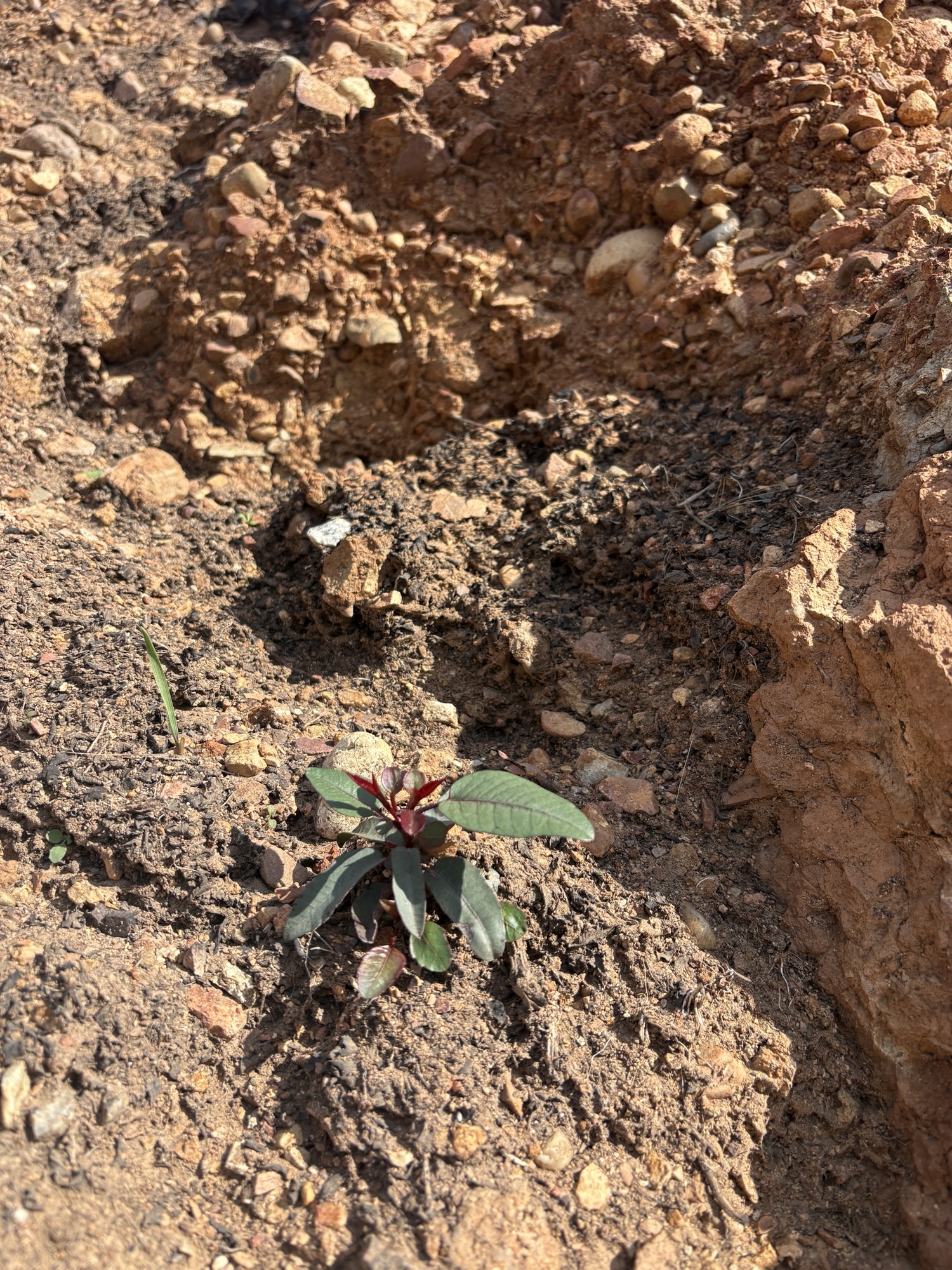
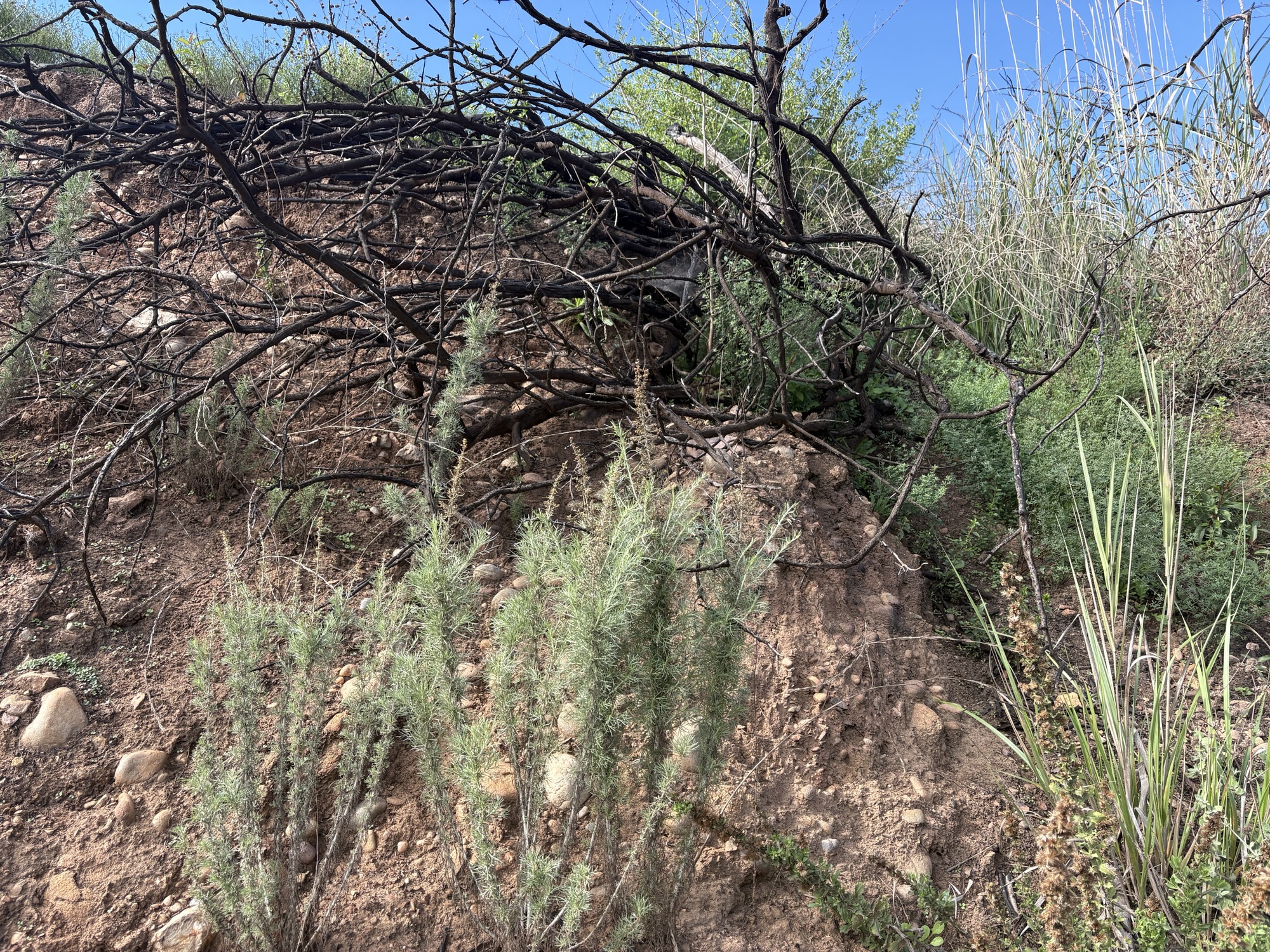
Artemisia Californica California Sagebrush
This resilient, easy-to-grow shrub thrives in the toughest environments. It’s a good choice for dry, sunny, and sloped areas. This important coastal scrub plant supports the California gnatcatcher and quail, as well as other bird and insect species.
Click to expend

Ceanothus Species California Lilac
Ceanothus Lilac regrowing with its shiny new leaves. Ceanothus species are excellent for erosion control on the slopes.
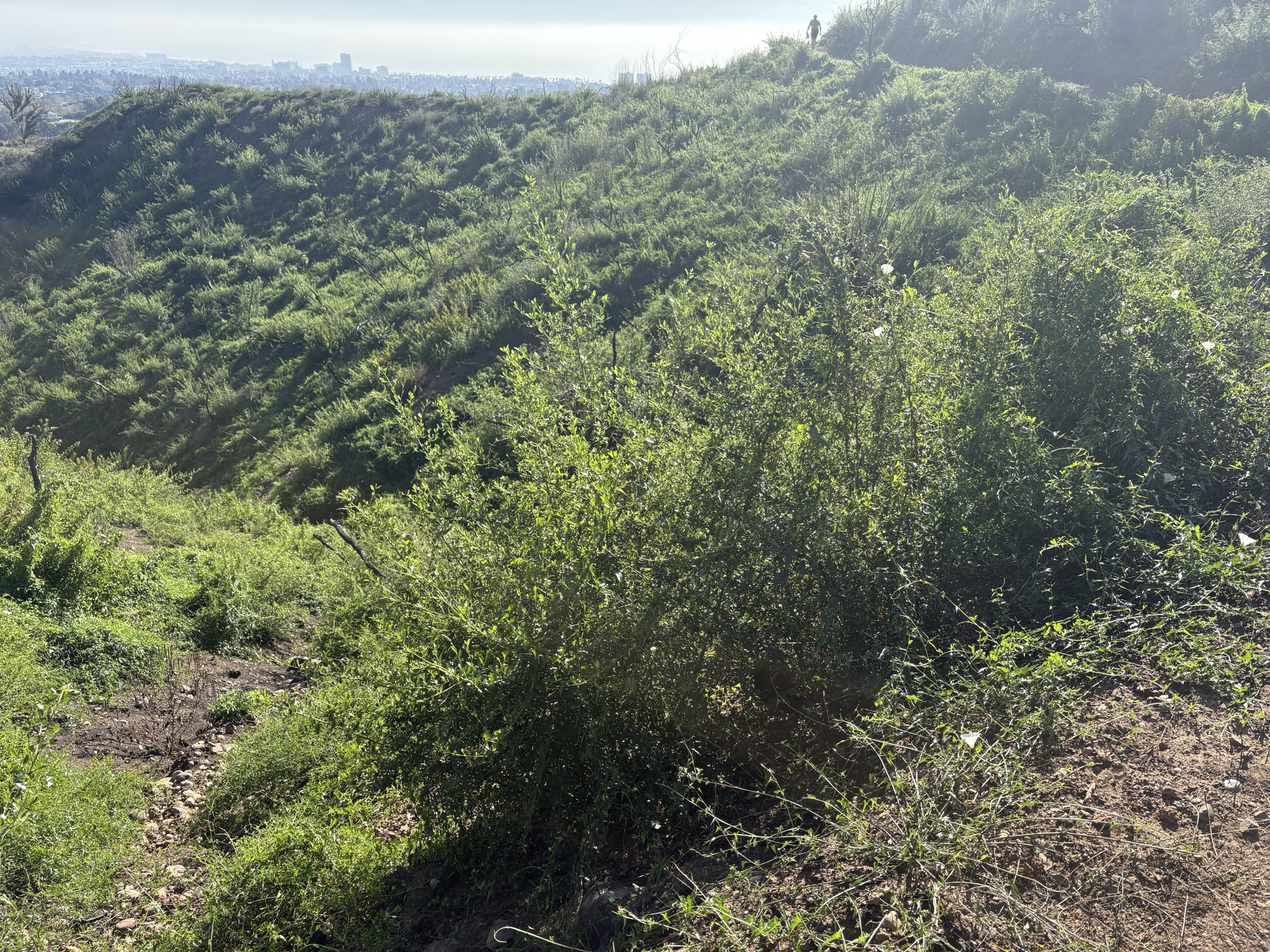

Chaparral Mallow
Excellent Aromatic Shrub for bank stabilization and erosion control. Grows fast to 10-16 ft. Mallow attracts birds, hummingbirds and butterflies.
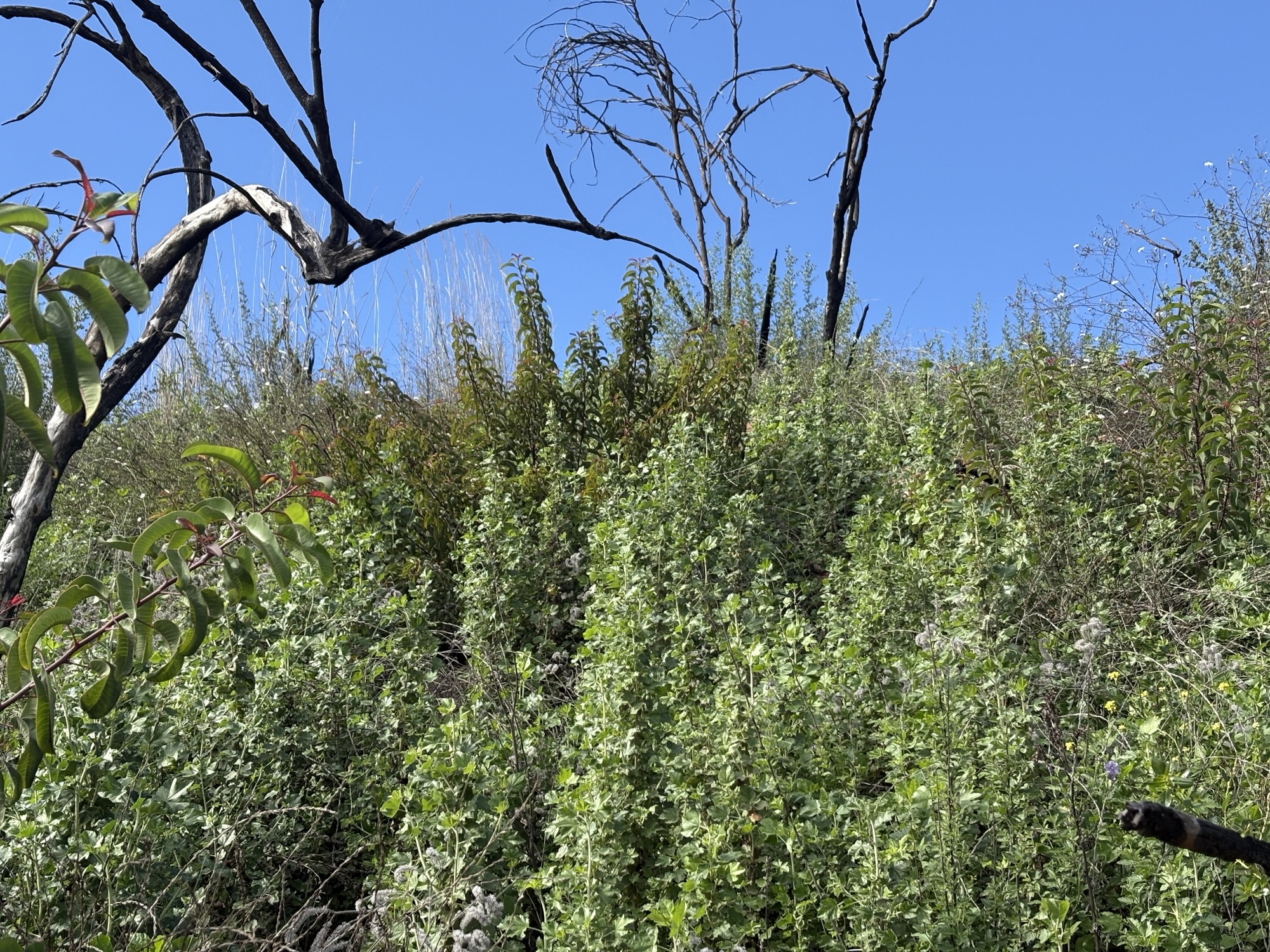

Hollyleaf RedBerry Rhamnus ilicifolia
Seemingly unaffected by the fire. A versatile deer resistant shrub for erosion control, barrier or a hedge. Redberry is an important wildlife plant.

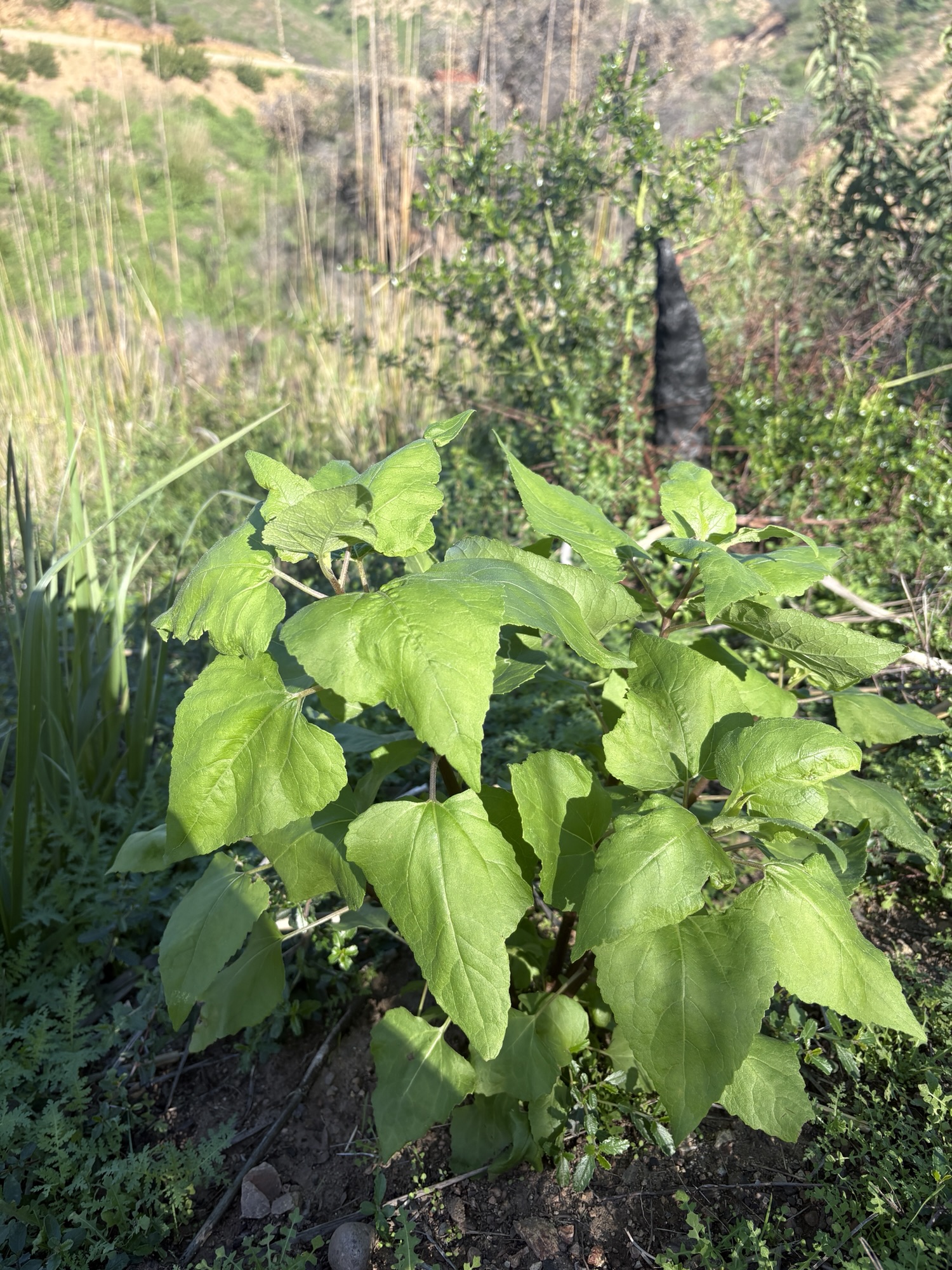
Canyon Sunflower Venegasia carpesioides
This plant is a great choice for a dry shady corner of a garden, though the plant is very versatile. Always Blooming.

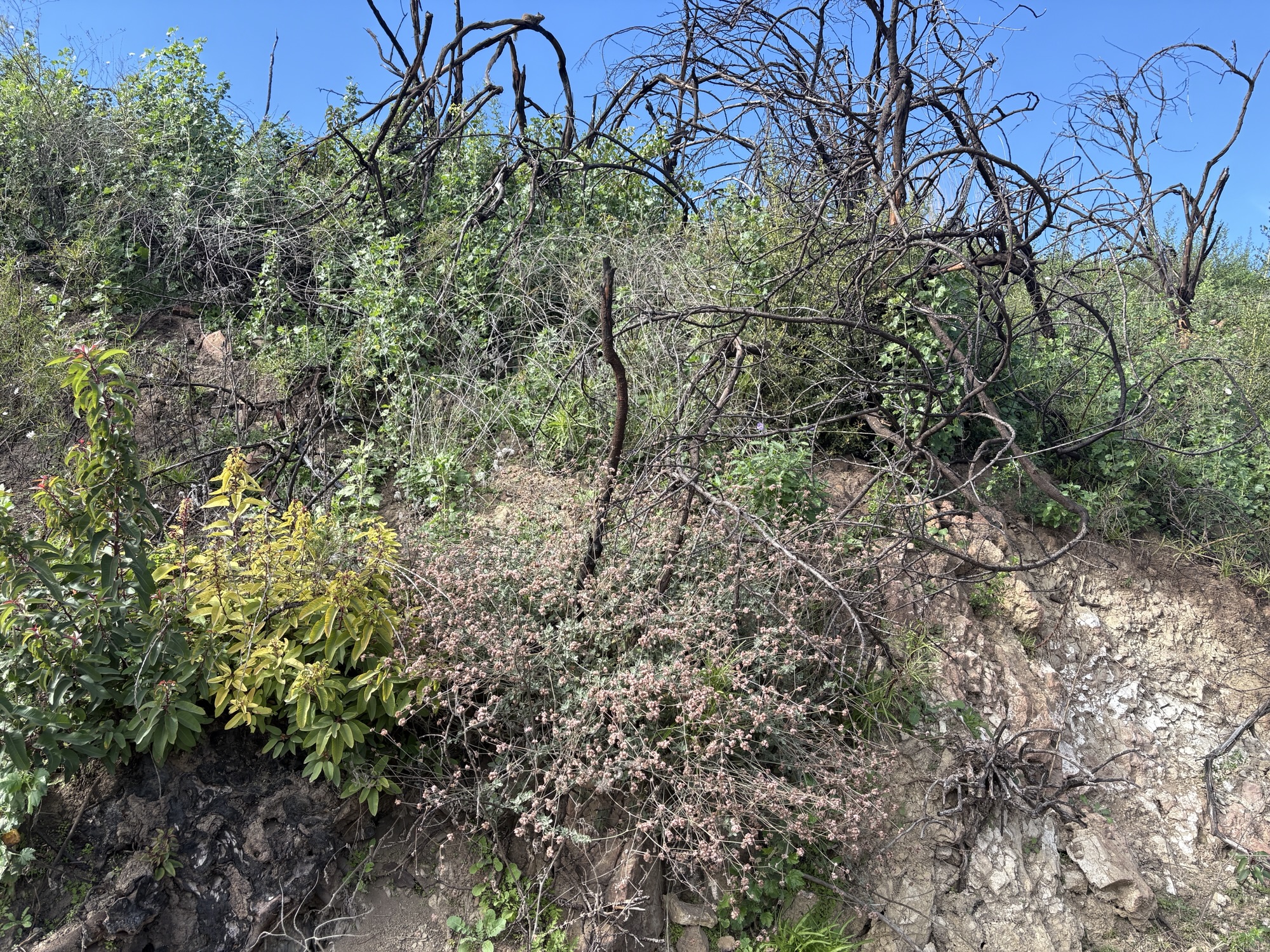
California Buckwheat
Raw beauty as a groundcover or hedge. Erosion control plant.


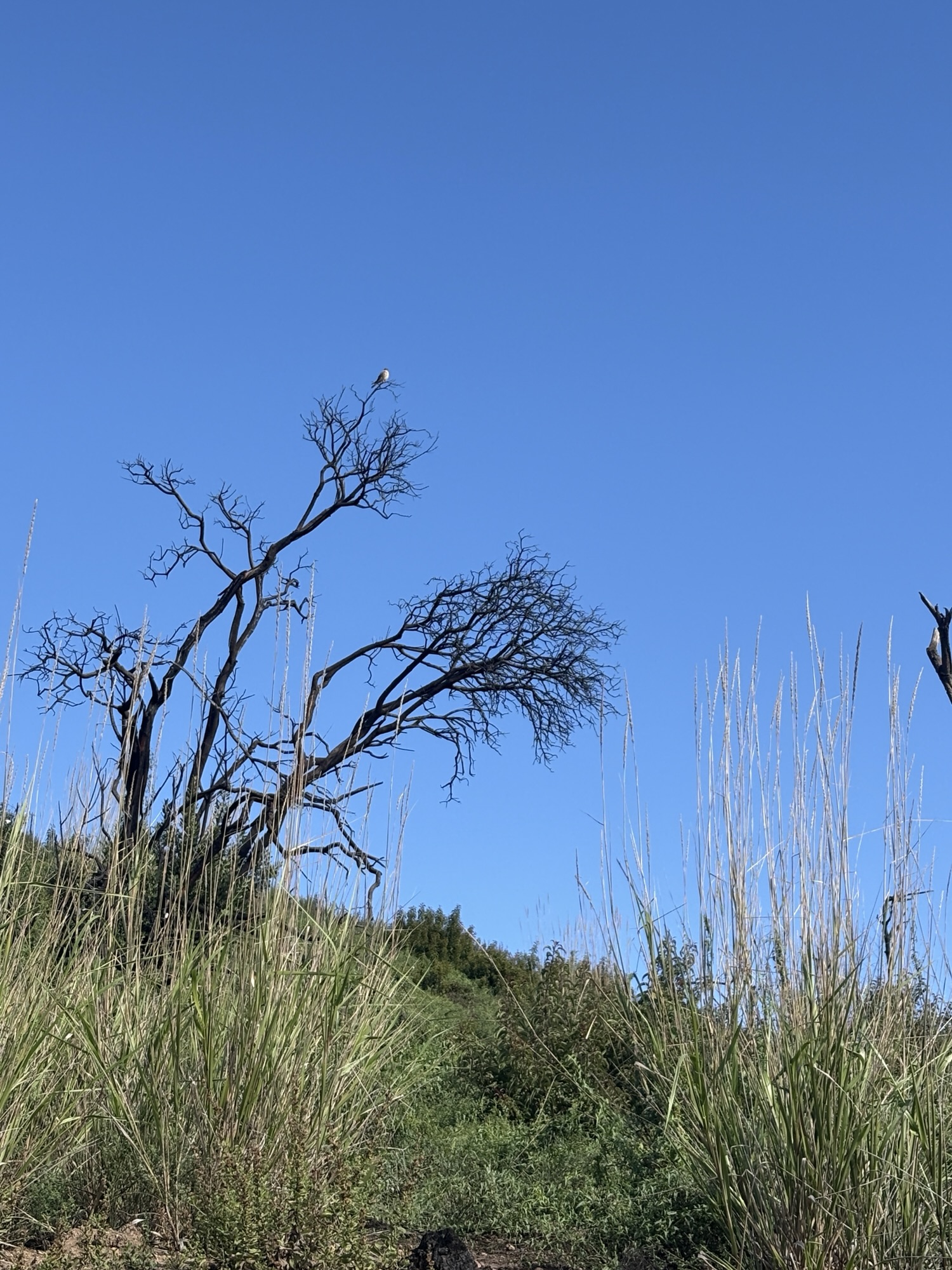
” Nature sees you ” – Koko
Discover more from Garden Imperfect Plants
Subscribe to get the latest posts sent to your email.
 Garden Imperfect Plants
You must be logged in to post a comment.